Table of Contents
Cross-country skiing offers full-body exercise, winter exploration, and access to snowy landscapes that summer hikers never see. Learning proper technique transforms the experience.
Jordan Myers
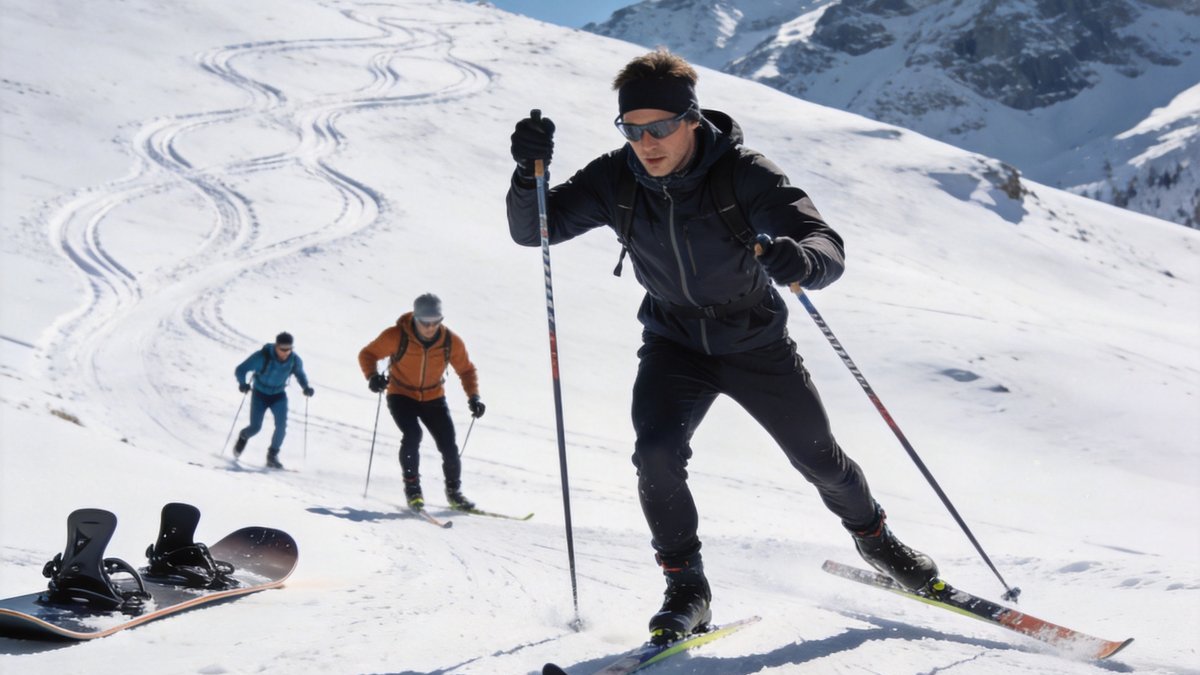
Cross-country skiing offers full-body exercise, winter exploration, and access to snowy landscapes that summer hikers never see. Learning proper technique transforms the experience.
Cross-country skiing offers full-body exercise, winter exploration, and access to snowy landscapes that summer hikers never see. Learning proper technique transforms the experience.
Cross-country skiing divides into two main disciplines with different equipment, techniques, and trail requirements. Classic technique is the traditional striding motion where skis move parallel in tracks set into the snow. Classic skiing works on groomed trails with two parallel grooves or on backcountry snow where you break your own trail. The motion resembles a walking or jogging stride with coordinated arm and leg movement.
Skate skiing is a newer technique that emerged in the 1980s. Skiers push off from edges in a V-shaped motion similar to ice skating or inline skating. Skate skiing requires wider groomed trails without tracks and produces higher speeds than classic technique. The motion demands more cardiovascular fitness and leg strength but provides an intense full-body workout.
Backcountry cross-country skiing uses wider skis with metal edges for terrain beyond groomed trails. Backcountry skis provide better flotation in deep snow and more stability on uneven terrain. This discipline bridges the gap between track skiing and alpine touring, offering access to remote winter landscapes without needing downhill-specific equipment or avalanche safety gear.
Classic cross-country ski selection depends on your weight. Skis should be long enough to support your weight when gliding but allow the wax pocket or fish scales to engage when you apply weight for climbing. A simple test: stand on the skis with equal weight and slide a piece of paper under the kick zone. The paper should slide freely with equal weight but grip when you press down with one foot.
Cross-country ski boots differ significantly from alpine ski boots. Classic boots have flexible cuffs that allow heel lift during striding. Skate boots have stiffer cuffs that provide lateral support for pushing off edges. Backcountry boots offer more ankle support and insulation for off-trail travel. Boots should fit snugly without pressure points and accommodate a thin wool sock.
Poles for cross-country skiing should reach your armpits for classic technique and your chin for skate technique. Longer poles provide more propulsion in classic technique. Shorter poles allow faster arm recovery in skate technique. Adjustable poles accommodate both techniques and allow fine-tuning based on trail conditions. Pole baskets should match snow conditions: large baskets for soft snow, smaller baskets for firm tracks.
The diagonal stride is the foundation of classic cross-country technique. The motion coordinates opposite arm and leg: your right pole plants as your left ski glides forward, then switch. Your weight transfers from one ski to the other with each stride. The kick phase applies downward pressure through the ski's wax pocket to grip the snow. The glide phase allows the ski to slide forward.
Double poling uses both arms simultaneously while both skis glide. This technique is used on downhill sections and flat terrain where speed carries momentum. Keep your back straight and engage your core as you plant both poles and push through your arms. The double pole provides a powerful forward surge without striding. Learning to double pole efficiently saves energy on long trails.
The herringbone climb uses a V-shaped foot position to ascend steep hills. Point your skis outward in a V, roll onto the inside edges, and step uphill using the edges for grip. Your poles work alternately, planted behind your heels for stability. The herringbone is tiring but effective for short, steep sections. For longer climbs, sidestepping with parallel skis provides better efficiency.
The V-1 skate or offset skate is the most common skate technique for beginners. Skis form a V shape with one ski in the track and one ski on the groomed surface. Poles plant simultaneously on one side, timed with the weight transfer to the opposite ski. This asymmetrical technique works well on gentle climbs and moderate terrain.
The V-2 skate or one-skate is a symmetrical technique where poles plant with every other glide. Both poles plant simultaneously as you transfer weight to one ski, then you glide on that ski while recovering your arms for the next pole plant on the opposite side. The V-2 produces higher speeds than V-1 and works best on flat terrain and gentle downhills.
Gear selection for skate skiing requires attention to ski stiffness and flex patterns. Skate skis should be stiffer than classic skis to provide stable edge support during push-offs. Softer skis flex too much under push-off force, wasting energy. A reputable ski shop can help match skate skis to your weight and ability level.
Classic skis require kick wax in the grip zone under the foot for climbing and grip. The wax pocket spans approximately 18-24 inches centered under your foot. Temperature-specific waxes match snow conditions: harder waxes for cold new snow, softer waxes for warm wet snow. Applying the correct wax improves both grip and glide significantly.
Waxless skis feature fish scale or patterned bases that provide mechanical grip without wax. These skis are ideal for beginners who want convenience and consistent performance across varying conditions. The trade-off is slightly reduced glide compared to well-waxed classic skis. Waxless skis dominate the rental market and are the most popular choice for recreational cross-country skiers.
Glide wax applied to the tip and tail zones improves performance on all cross-country skis. Hot waxing with an iron provides the best results but requires equipment and practice. Liquid glide waxes offer convenient application for recreational skiers. Apply glide wax every 5-10 sessions or whenever the base looks dry and white.
"Cross-country skiing is the closest thing to flying on snow. The sensation of gliding silently through a winter forest with only the sound of your skis and your breath creates a meditative connection to the winter landscape."
"If you can walk, you can classic cross-country ski. The movement is natural and forgiving. Do not be intimidated by the fast skate skiers passing you on the trail. You are covering the same beautiful terrain at your own pace."
Cross-country skiing is one of the most demanding cardiovascular exercises. It engages all major muscle groups including legs, core, arms, and back. An hour of cross-country skiing burns 500-800 calories depending on intensity, terrain, and technique. The low-impact nature makes it accessible for people with joint concerns.
Dress in layers because cross-country skiing generates significant body heat. A thin wool or synthetic base layer, a lightweight insulating mid-layer, and a wind-resistant shell provide appropriate warmth for most conditions. Avoid overheating by starting your session slightly cool. Carry a pack for layers you remove as you warm up.
Many national and state parks maintain groomed cross-country ski trails. Nordic centers offer groomed trails with track setting, ski rentals, and lessons. Online resources including Cross Country Ski Area. com and local ski club websites list groomed trail networks by region. Many golf courses and recreation areas convert to ski trails during winter.
Recreational classic skiers average 5-7 miles per hour on groomed terrain. Skate skiers average 7-10 miles per hour. Elite racers sustain speeds above 15 miles per hour on flat terrain. Cross-country skiing covers distance efficiently: a 10-mile ski tour typically takes 1.5 to 2.5 hours depending on terrain and fitness.
Proper layering is the key to staying comfortable during winter activities. Start with a merino wool or synthetic base layer that wicks moisture away from your skin. Add an insulating mid-layer like fleece or synthetic puffy jacket. Finish with a windproof and waterproof outer shell. Adjust your layers throughout the day to avoid overheating and sweating, which leads to dangerous chilling when you stop moving.
Winter trips require more careful planning than summer adventures. Check avalanche forecasts, weather predictions, and daylight hours before leaving home. Pack extra food, water, and layers in case of unexpected delays. Bring a headlamp with fresh batteries even if you plan to return before dark. Let someone know your exact route and expected return time, as winter rescues are slower and more challenging for search teams.
Knowing the signs of cold weather injuries helps you respond before they become serious. Frostnip affects exposed skin first, appearing as white, waxy patches that feel numb. Warm the area immediately with body heat or warm water. Hypothermia symptoms include uncontrollable shivering, confusion, and loss of coordination. If you or a companion show signs of hypothermia, get to shelter, remove wet clothing, and warm the core with heat packs and warm drinks.