Table of Contents
Master campsite setup with this comprehensive guide covering site selection, tent placement, camp layout, safety tips, and essential gear for a comfortable night outdoors.
Jordan Myers
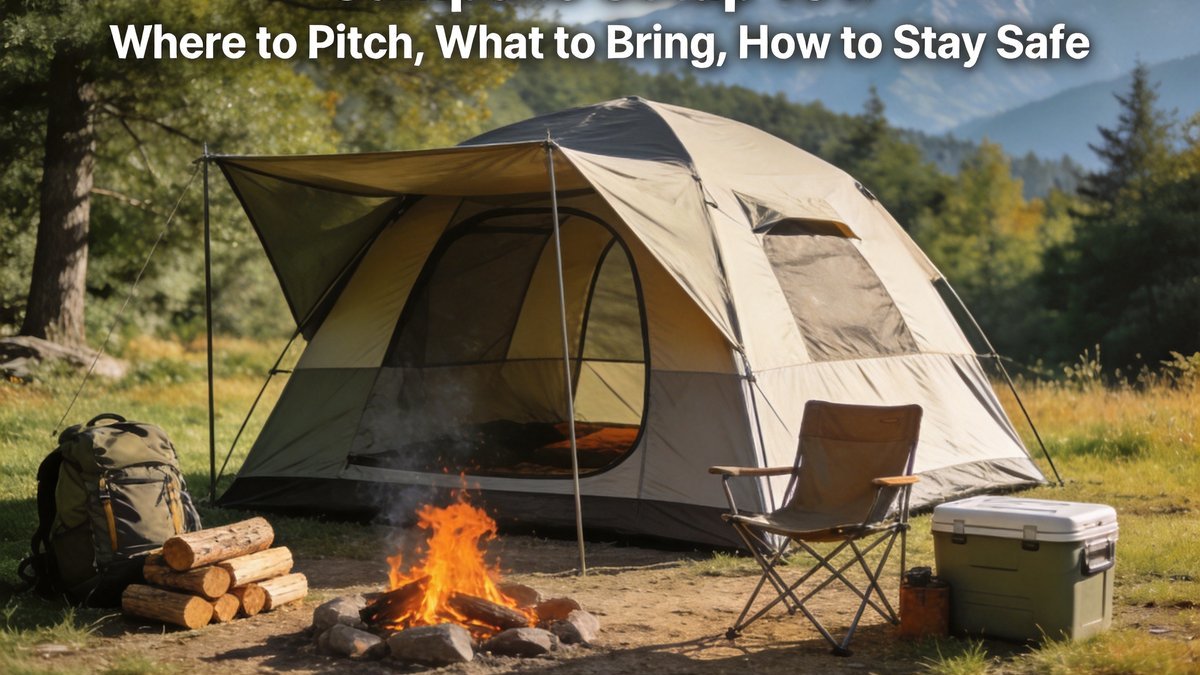
Master campsite setup with this comprehensive guide covering site selection, tent placement, camp layout, safety tips, and essential gear for a comfortable night outdoors.
Setting up a campsite is part art and part science. Where you place your tent, how you organize your cooking area, and the safety precautions you take all determine whether your camping trip is a relaxing escape or a frustrating ordeal. Good campsite setup habits make the difference between sleeping soundly under the stars and spending the night uncomfortable and restless.
Site selection determines more about your camping experience than any piece of gear. Look for level ground free of rocks, roots, and sloping angles that send you sliding to one side during the night. Position your tent at least 200 feet from water sources to protect riparian ecosystems and avoid nighttime condensation and insects that concentrate near water. Seek natural windbreaks like rows of trees, large boulders, or hillsides that shield your tent from prevailing winds. Check the ground for signs of drainage. Avoid low spots where water pools after rain and look for slightly elevated areas with natural water runoff paths. In hot weather, find afternoon shade from trees or cliffs. In cold weather, choose spots that catch morning sunlight to warm your tent naturally.
Point your tent door away from the prevailing wind direction to prevent gusts from funneling inside when you enter or exit. Position the narrow end of your tent into the wind for better aerodynamics. Clear the ground of sharp objects, pine cones, and sticks that could puncture your tent floor or create uncomfortable lumps beneath your sleeping pad. Lay a footprint or ground tarp slightly smaller than your tent to protect the floor without collecting water between the tarp and tent. Stake all guylines and corner loops even if the weather looks calm. Wind can pick up suddenly, and properly tensioned guylines dramatically improve tent stability in unexpected storms.
Set up your cooking area at least 100 feet downwind from your tent to keep food smells away from your sleeping area and reduce fire risk. Designate a specific spot for food preparation and storage, ideally near a cooking surface or picnic table if available. Store all food, coolers, and scented items in a bear-proof canister or bear hang overnight in bear country. Even in areas without bears, raccoons, mice, and squirrels will raid unsecured food. Set up a washing station using a plastic tub, biodegradable soap, and a scrub sponge for cleaning dishes. Strain food scraps from dishwater and pack them out in a sealed bag. Never dump food waste directly onto the ground or into water sources.
Before setting up camp, identify two emergency exit routes from your site in case of fire, flooding, or animal encounters. Walk the perimeter and note landmarks that help you navigate back to camp after dark. Establish a designated meeting point for your group in case anyone gets separated. Check for overhead hazards like dead branches, loose rocks, or unstable trees that could fall during wind or storms. Store a fully charged headlamp and your first aid kit in an accessible spot, not buried at the bottom of your pack. Review the location of the nearest ranger station, hospital, and emergency contact numbers before you lose cell service.
Experienced campers follow the one-hour rule: spend the first hour at a new campsite setting up shelter and organizing gear before doing anything else. This ensures you have a secure base before exploring, gathering firewood, or relaxing. Waiting until dark to set up guarantees mistakes.
The best campsite advice: look up before you look down. Overhead hazards like widowmakers, loose rocks, and beehives cause more serious camping injuries than uneven ground ever will. Scan the canopy before you commit to a spot.
Position your tent at least 15 feet from the fire ring to prevent ember burns on your tent fabric. Consider wind direction, as shifting winds can carry sparks much farther. Keep your tent door facing away from the fire to reduce smoke entering the tent while you sleep.
If heavy rain threatens flooding, have a plan ready. Store critical gear in dry bags or elevated packs. If water begins pooling under your tent, move to higher ground immediately. Scout potential high-ground locations when you first arrive so you know where to go in an emergency.
A tarp over your tent provides extra protection from rain, falling leaves, and morning dew. String it between trees at least 3 feet above your tent to allow airflow and prevent condensation. Pitch the tarp at an angle so water runs off away from your tent entrance.
Set up in a shaded area and position your tent to catch prevailing breezes. Remove the rainfly if there is no chance of rain to maximize airflow. Open all ventilation panels and both doors if your tent design allows cross-ventilation. A battery-powered camp fan can make a significant difference on still, humid nights.
Respecting other campers and the environment makes the experience better for everyone. Keep noise levels down, especially after quiet hours. Observe the 200-foot rule for setting up camp away from water sources and trails. Pack out all trash, including biodegradable items like apple cores, which take weeks to decompose in natural environments. Following these principles ensures campsites remain pristine for future visitors.
Testing your gear before heading into the backcountry prevents unpleasant surprises. Set up your tent in the backyard and spray it with a hose to check for leaks. Test your stove outside to ensure it lights and burns evenly. Break in new boots with short walks before a long hike. A pre-trip gear check takes an hour and can save you from a miserable night in the woods.
Proper food storage protects both you and the wildlife in the area. Store all food, trash, and scented items in bear-proof containers or hang them from a designated pole at least 10 feet off the ground and 4 feet from the nearest tree trunk. Cook at least 100 yards from your tent to avoid attracting animals to your sleeping area. Never store food inside your tent, even for a short nap.
Respecting other campers and the environment makes the experience better for everyone. Keep noise levels down, especially after quiet hours. Observe the 200-foot rule for setting up camp away from water sources and trails. Pack out all trash, including biodegradable items like apple cores, which take weeks to decompose in natural environments. Following these principles ensures campsites remain pristine for future visitors.
Testing your gear before heading into the backcountry prevents unpleasant surprises. Set up your tent in the backyard and spray it with a hose to check for leaks. Test your stove outside to ensure it lights and burns evenly. Break in new boots with short walks before a long hike. A pre-trip gear check takes an hour and can save you from a miserable night in the woods.
Proper food storage protects both you and the wildlife in the area. Store all food, trash, and scented items in bear-proof containers or hang them from a designated pole at least 10 feet off the ground and 4 feet from the nearest tree trunk. Cook at least 100 yards from your tent to avoid attracting animals to your sleeping area. Never store food inside your tent, even for a short nap.
Respecting other campers and the environment makes the experience better for everyone. Keep noise levels down, especially after quiet hours. Observe the 200-foot rule for setting up camp away from water sources and trails. Pack out all trash, including biodegradable items like apple cores, which take weeks to decompose in natural environments. Following these principles ensures campsites remain pristine for future visitors.
Testing your gear before heading into the backcountry prevents unpleasant surprises. Set up your tent in the backyard and spray it with a hose to check for leaks. Test your stove outside to ensure it lights and burns evenly. Break in new boots with short walks before a long hike. A pre-trip gear check takes an hour and can save you from a miserable night in the woods.
Proper food storage protects both you and the wildlife in the area. Store all food, trash, and scented items in bear-proof containers or hang them from a designated pole at least 10 feet off the ground and 4 feet from the nearest tree trunk. Cook at least 100 yards from your tent to avoid attracting animals to your sleeping area. Never store food inside your tent, even for a short nap.