Table of Contents
Learn the Survival Rule of Threes: prioritize shelter, water, and food in emergencies. Expert tips for staying alive in ...
Jordan Myers
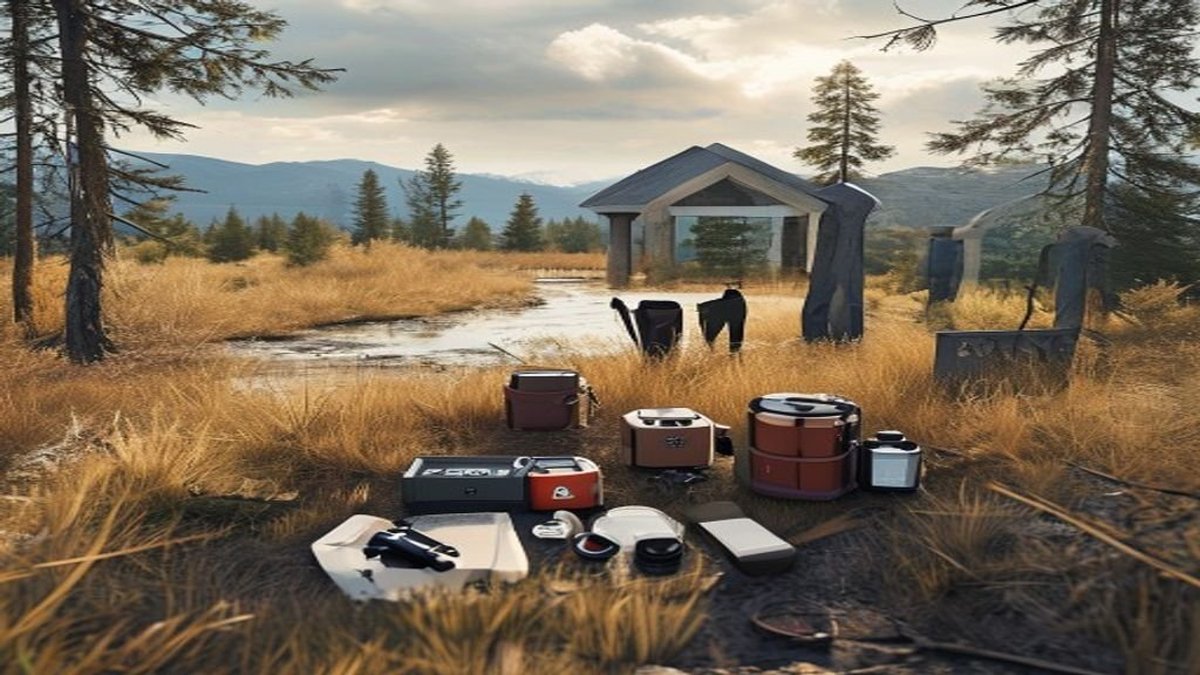
Learn the Survival Rule of Threes: prioritize shelter, water, and food in emergencies. Expert tips for staying alive in ...
When you’re lost or stranded, your body doesn’t care about your plans. It cares about immediate threats. The Survival Rule of Threes is a simple framework: you can survive about three minutes without air, three hours without shelter in extreme weather, three days without water, and three weeks without food. That hierarchy isn’t guesswork—it’s based on human physiology and real-world incidents.
In outdoor emergencies, most people panic and focus on the wrong thing first. They dig for a granola bar while hypothermia creeps in. Or they try to find a stream while their core temperature drops. The Rule of Threes forces you to think in order: shelter first, then water, then food. That sequence saves lives.
A 2018 study of wilderness fatalities in the U. S. found that 42% of deaths were due to environmental exposure—not starvation or thirst. That data point underscores why shelter is your top priority. You can’t fix dehydration if you’re already dead from hypothermia.
“The biggest mistake I see in survival courses is people trying to solve tomorrow’s problem today. Shelter is the only thing that keeps you alive to see tomorrow.” — Mark Johansen, former SERE instructor and wilderness medicine educator
Shelter doesn’t mean a tent or a cabin. It means protection from wind, rain, snow, or scorching sun. Your body loses heat 25 times faster when exposed to wind. Even in mild 50-degree weather, wet clothing can cause hypothermia in under an hour. Your first task is to get out of the elements.
Look for natural shelters first: an overhanging rock, a fallen tree with a hollow base, a dense thicket. If nothing is available, build a lean-to using a tarp, poncho, or branches. The key is to block wind and insulate yourself from the ground. A simple debris hut with a 12-inch layer of leaves can raise the temperature inside by 20 degrees Fahrenheit.
Remember the 3-hour window. If you’re in cold or wet conditions, you have about three hours before hypothermia becomes a real risk. Use that time to create a shelter, not to search for water. Once you’re dry and shielded, you can breathe and assess your next move.
Once you’re sheltered, your next window is three days. That’s the average time a person can survive without water—but it shrinks fast if you’re exerting yourself or in a hot climate. Dehydration of just 2% of your body weight can impair cognitive function and coordination, making it harder to make smart decisions.
Your goal isn’t to find a pristine stream. It’s to find any water source and make it safe. Look for low-lying areas, morning dew on leaves, or the base of rock cliffs where water seeps out. If you have a container, collect rainwater. If you’re desperate, use a piece of clothing to wick water from muddy ground and wring it into your mouth.
Boiling water for at least one minute kills most pathogens, but in a short-term survival scenario (24-48 hours), you may skip purification if your only option is clear, running water. The risk of giardia is real, but it takes days to weeks to cause serious illness. Prioritize hydration over fear of bacteria.
“I’ve treated hikers who refused to drink untreated water and ended up in the ER with severe dehydration. In a true emergency, your kidneys need water more than your gut needs to be sterile.” — Dr. Elena Torres, wilderness medicine physician
Most people obsess over food when they’re lost. It’s a psychological comfort—but it’s not a survival need in the first few days. Your body has stored energy in the form of fat and glycogen. A healthy adult can go three weeks without food, though you’ll feel weak and hungry after about 48 hours.
Foraging for wild berries or hunting small game burns more calories than it provides unless you have the right skills. In a 72-hour survival situation, your energy is better spent on shelter improvements, signaling for help, or securing water. Don’t waste daylight searching for edible plants you can’t identify.
That said, if you’re stranded for more than a few days, food becomes relevant. Focus on high-calorie, low-effort sources like pine bark (inner layer), cattail roots, or insects. Crickets and grasshoppers contain about 20 calories per ounce—more than most berries. Just cook them to avoid parasites.
The Rule of Threes isn’t a rigid clock—it’s a decision-making tool. If you’re in a desert at noon, heat exhaustion can hit in under an hour, so shade becomes your immediate shelter. If you’re in a temperate forest at night, hypothermia might come in two hours. Adjust the timeline based on your environment.
Start with a quick assessment: Are you dry and protected from wind? If not, stop everything and fix that. Then ask: Do you have a water source within a mile? If not, plan to move toward lower terrain or a drainage. Only after those two boxes are checked should you consider food or building a long-term camp.
One practical trick: carry a lightweight emergency bivvy or space blanket in your pack. It weighs 3 ounces and can buy you those critical three hours of shelter. A 2019 survey of search-and-rescue teams reported that 60% of lost hikers they found were not carrying any form of emergency shelter. Don’t be one of them.
“The Rule of Threes works because it’s simple. When your brain is foggy from adrenaline, you don’t need complex strategies—you need a checklist. Shelter, water, food. In that order.” — Ryan Park, lead instructor at Mountain Survival Institute
Survival is about managing your attention. Every hour you spend worrying about dinner is an hour you could have used to signal a passing plane or patch a hole in your shelter. The Rule of Threes keeps you focused on the threats that can kill you fastest.
Practice these priorities on your next day hike. Stop for five minutes and ask: If I had to spend the night here, where would I build shelter? Where’s the closest water? That mental rehearsal builds muscle memory. When a real emergency hits, you won’t have time to think—you’ll act.
Remember the data: 42% of wilderness deaths come from exposure. Not thirst, not hunger. So next time you head out, zip that rain jacket, pack a water filter, and leave the trail mix for later. Your life depends on getting the order right.
A well-designed survival kit fits in a small pouch but contains items that address the top priorities: shelter, water, fire, and signaling. Include a space blanket or emergency bivvy for shelter, a reliable fire starter like a ferro rod, water purification tablets, a whistle for signaling, and a small first aid kit. Carry this kit on every outdoor adventure, even short day hikes, because emergencies rarely happen when you are fully prepared.
Survival experts agree that mindset often determines outcomes more than gear or skill. The will to survive keeps people alive in situations where rescue seems impossible. Focus on small, achievable goals rather than overwhelming yourself with the full scope of the situation. Use the STOP acronym: Stop, Think, Observe, Plan. Take deliberate action rather than panicking. Many survivors credit their positive attitude and refusal to give up as the deciding factor.
Finding safe drinking water is one of the most immediate survival priorities. Look for water sources in valleys, at the base of cliffs where seeps emerge, and where vegetation is greener than the surrounding area. Morning dew collected with an absorbent cloth provides a surprising amount of water. In snow conditions, melt snow rather than eating it directly, which lowers body temperature and increases dehydration risk.
A well-designed survival kit fits in a small pouch but contains items that address the top priorities: shelter, water, fire, and signaling. Include a space blanket or emergency bivvy for shelter, a reliable fire starter like a ferro rod, water purification tablets, a whistle for signaling, and a small first aid kit. Carry this kit on every outdoor adventure, even short day hikes, because emergencies rarely happen when you are fully prepared.
Survival experts agree that mindset often determines outcomes more than gear or skill. The will to survive keeps people alive in situations where rescue seems impossible. Focus on small, achievable goals rather than overwhelming yourself with the full scope of the situation. Use the STOP acronym: Stop, Think, Observe, Plan. Take deliberate action rather than panicking. Many survivors credit their positive attitude and refusal to give up as the deciding factor.