Table of Contents
Learn essential safety tips for bear, mountain lion, and snake encounters on the trail. Expert advice on prevention, rea...
Jordan Myers
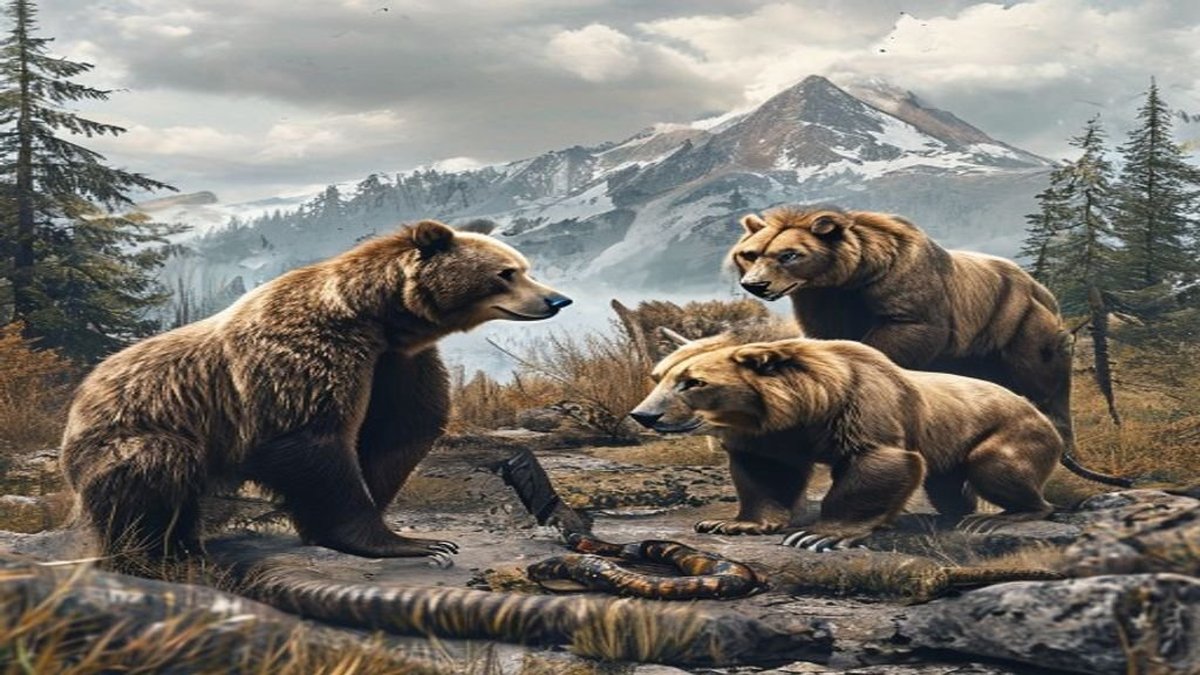
Learn essential safety tips for bear, mountain lion, and snake encounters on the trail. Expert advice on prevention, rea...
You need to identify the bear before you decide what to do. Black bears are usually smaller, have a straight face profile, and lack a prominent shoulder hump. Grizzlies (brown bears) have a distinct hump and a dish-shaped face. In North America, black bears are far more common, with an estimated 600,000 roaming the continent, while grizzlies number around 55,000 in the Lower 48 and Canada.
Your reaction changes based on the species. If a black bear attacks, fight back with everything you have—climbing a tree won't work because black bears are excellent climbers. If a grizzly attacks, play dead by lying flat on your stomach, clasping your hands behind your neck, and spreading your legs to make it harder for the bear to flip you. Only play dead if you are sure it's a grizzly; a black bear will interpret submission as an invitation to eat.
“Most bear attacks happen when the animal is surprised or defending cubs or a food cache. Your best tool is your voice—make noise on the trail so you never surprise a bear in the first place.” — Dr. Amelia Torres, Wildlife Biologist, Yellowstone Bear Institute
Mountain lions are ambush predators, and your job is to convince them you are not prey. Never run from a mountain lion—running triggers their chase instinct. Instead, make yourself look as large as possible by raising your arms, opening your jacket, or holding a trekking pole above your head. Maintain eye contact and speak in a loud, firm voice.
Data from the California Department of Fish and Wildlife shows only 20 fatal mountain lion attacks in the U. S. since 1890, but sightings are increasing as development encroaches on habitat. If a lion approaches, throw rocks or sticks at its feet—not its head—to deter it without escalating aggression. If it attacks, fight back aggressively using rocks, sticks, or your bare hands; focus on its eyes and nose.
Keep children and small dogs close to you on the trail. Mountain lions often target the smallest member of a group. If you have a dog, keep it leashed; a loose dog can attract a lion and lead it back to you.
“A mountain lion that behaves aggressively is usually either desperately hungry or protecting a kill. Do not turn your back. Back away slowly while maintaining eye contact, but never break into a run.” — Sergeant Mark Chen, California Fish and Wildlife, Mountain Lion Response Team
Most snake bites happen when you accidentally step on or near a snake. Watch where you place your feet and hands, especially when stepping over logs or rocks. In the U. S., about 7,000 to 8,000 venomous snake bites occur each year, but fatalities are rare—only around five per year—thanks to modern antivenom. Rattlesnakes are responsible for the majority of these bites.
If you hear a rattle, freeze. Locate the snake before moving. Then, slowly back away at least six feet—most rattlesnakes can strike only about half their body length. Never poke a snake with a stick or try to move it off the trail. If you are bitten, stay calm and still to slow venom spread, remove any jewelry or tight clothing near the bite, and call 911 immediately. Do not cut the wound, suck out venom, or apply a tourniquet; these outdated methods cause more harm than good.
Your best defense against any wildlife encounter is prevention. Make noise while hiking—talk, sing, or clap rhythmically—especially in dense brush, near streams, or on windy days when sound carries poorly. Groups of four or more people are rarely attacked by large predators. Stick to established trails and avoid hiking at dawn or dusk, when mountain lions and bears are most active.
Carry bear spray in an accessible holster on your hip, not buried in your pack. Practice drawing it before you need it. A 2019 study in the Journal of Wildlife Management found that bear spray stopped aggressive bear behavior in 92% of incidents, compared to firearms which were effective only 76% of the time. For snake country, wear high-top leather boots and long pants; most snake fangs cannot penetrate thick leather.
“The hikers who get into trouble are the ones who forget they are visitors in someone else's home. Respect the wildlife, give them space, and you'll almost always avoid conflict.” — Jim Mc Candless, Lead Instructor, Wilderness Safety Institute
After a bear or mountain lion attack, your first priority is to stop severe bleeding using direct pressure and a tourniquet if necessary. Call for emergency help immediately. For snake bites, keep the victim still and calm; movement increases blood flow and venom spread. Do not let them walk out if you can carry them or send someone else for help.
Clean all wounds with clean water if available, but do not waste time trying to disinfect—the hospital will do that. Cover the wound with a sterile dressing if you have one. Watch for signs of anaphylaxis, such as difficulty breathing, hives, or swelling of the face or throat. If you carry an epinephrine auto-injector (Epi Pen) for allergies, use it if the victim shows these signs after a bite or sting.
Remember that most wildlife encounters end without injury if you stay calm and follow the right protocols. Your knowledge is your most important piece of gear. Keep these tips in your head, not just your pack, and you will be ready for whatever the trail throws at you.
Maintaining appropriate distance from wildlife protects both you and the animals. Use the rule of thumb: if the animal changes its behavior because of your presence, you are too close. Signs of stress include a raised head, flattened ears, tail position changes, and vocalizations. For large mammals like bears and moose, maintain at least 100 yards of distance. For smaller animals like foxes and deer, 25 yards provides adequate space for both observation and safety.
Wildlife photography should never come at the expense of the subject well-being. Use a telephoto lens of at least 300mm to capture detailed images from a safe distance. Never feed, call, or harass animals to get a better shot. Avoid using flash at night, which can disorient nocturnal animals. Be especially careful around nesting sites and during mating seasons when animals are more sensitive to disturbance.
The best wildlife viewing occurs during dawn and dusk when many species are most active. Plan your outings to arrive at prime viewing areas during these golden hours. Spring and early summer offer excellent opportunities to see young animals, though keep extra distance during this period. Fall brings mating season behaviors and migration patterns that create spectacular viewing opportunities for birds and large mammals alike.
Maintaining appropriate distance from wildlife protects both you and the animals. Use the rule of thumb: if the animal changes its behavior because of your presence, you are too close. Signs of stress include a raised head, flattened ears, tail position changes, and vocalizations. For large mammals like bears and moose, maintain at least 100 yards of distance. For smaller animals like foxes and deer, 25 yards provides adequate space for both observation and safety.
Wildlife photography should never come at the expense of the subject well-being. Use a telephoto lens of at least 300mm to capture detailed images from a safe distance. Never feed, call, or harass animals to get a better shot. Avoid using flash at night, which can disorient nocturnal animals. Be especially careful around nesting sites and during mating seasons when animals are more sensitive to disturbance.
The best wildlife viewing occurs during dawn and dusk when many species are most active. Plan your outings to arrive at prime viewing areas during these golden hours. Spring and early summer offer excellent opportunities to see young animals, though keep extra distance during this period. Fall brings mating season behaviors and migration patterns that create spectacular viewing opportunities for birds and large mammals alike.
Maintaining appropriate distance from wildlife protects both you and the animals. Use the rule of thumb: if the animal changes its behavior because of your presence, you are too close. Signs of stress include a raised head, flattened ears, tail position changes, and vocalizations. For large mammals like bears and moose, maintain at least 100 yards of distance. For smaller animals like foxes and deer, 25 yards provides adequate space for both observation and safety.
Wildlife photography should never come at the expense of the subject well-being. Use a telephoto lens of at least 300mm to capture detailed images from a safe distance. Never feed, call, or harass animals to get a better shot. Avoid using flash at night, which can disorient nocturnal animals. Be especially careful around nesting sites and during mating seasons when animals are more sensitive to disturbance.
The best wildlife viewing occurs during dawn and dusk when many species are most active. Plan your outings to arrive at prime viewing areas during these golden hours. Spring and early summer offer excellent opportunities to see young animals, though keep extra distance during this period. Fall brings mating season behaviors and migration patterns that create spectacular viewing opportunities for birds and large mammals alike.