Table of Contents
From savory stews to campfire cobblers, these Dutch oven recipes will transform your outdoor cooking.
Jordan Myers
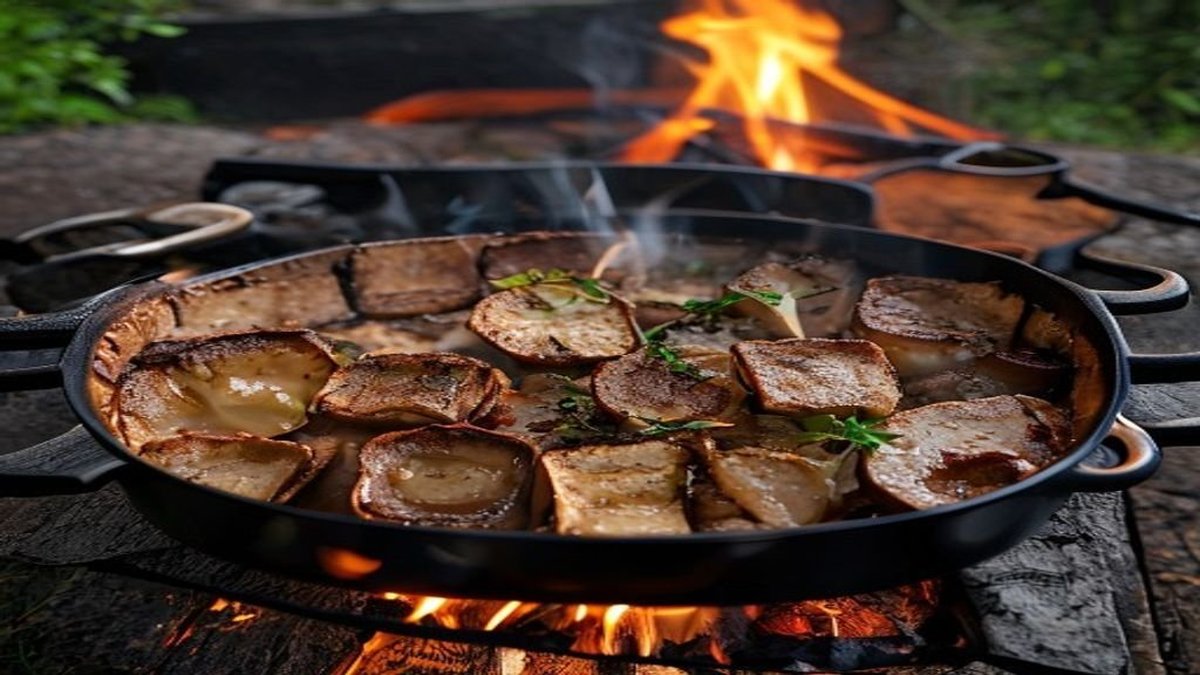
From savory stews to campfire cobblers, these Dutch oven recipes will transform your outdoor cooking.
Nothing draws a crowd at camp like the hiss of a Dutch oven lid lifting over glowing coals. You get a kitchen that bakes, braises, and fries while you sip coffee under the pines. Skip the dehydrated pouches. These 15 Dutch oven camping recipes turn a black pot into the heart of your campsite feast.
Why lug a heavy pot into the woods? Because a Dutch oven does things a lightweight pan can't. Cast iron spreads heat evenly, so your food doesn't scorch over unpredictable coals. A 12-inch oven holds heat for an hour after you rake away the charcoal. That means you can bake, simmer, and fry with one pot. In a 2023 camping gear survey by The Dyrt, 61% of campers rated Dutch ovens as their most versatile cookware.
Thicker walls also tame flame flare-ups that would carbonize a thin aluminum skillet. You can stack a few coals on the rim and forget about stirring. The radiant heat from the lid melts cheese into every corner of a breakfast casserole and browns a peach cobbler to a deep amber. When the wind kicks up, the heavy lid stays put. You're not chasing a frisbee across the dirt.
A bare minimum setup starts with a seasoned cast iron Dutch oven, long-handled tongs, a lid lifter, and heat-resistant gloves. Don't rely on firewood alone. Charcoal briquettes give you consistent, measurable heat. You'll also want a chimney starter to light coals fast. For oil, bring a high smoke point option like avocado or canola. Skip aerosol spray cans—they can damage seasoning. Pack a small whisk broom to brush ash off the lid before you lift it. Nothing ruins a cobbler faster than a dusting of gray soot.
Many beginners overlook the lid rest. A simple metal trivet or a ring of rocks keeps the hot lid off the ground when you dish out stew. I keep a welding blanket in my camp kit to smother coals when I'm done. Charcoal burns at 800°F, so safety isn't optional. A 2022 report from the U. S. Forest Service noted that 12% of campfire injuries involve hot cookware left at foot level. Use a dedicated lid holder.
Here's your go-to menu, each recipe tested with a standard 12-inch oven. Use the coal counts as a starting point and adjust for wind, elevation, and brand of charcoal.
Cooking with charcoal isn't guesswork. A single briquette adds about 10–15 degrees Fahrenheit to the oven's internal temperature. For a 350°F bake, use the rule of “twice the diameter.” A 12-inch oven needs 24 total briquettes: 8 underneath, 16 on top. To simmer at 250°F, cut back to 16 total. Wind and cold ambient air suck heat away, so add 2 to each layer in wind.
Place coals in a checkerboard pattern under the oven and a ring around the lid edge for even heat. Rotate the oven and lid a quarter turn every 15 minutes to prevent hot spots. This technique eliminates burnt bottoms and raw centers. At 8,000 feet, water boils at 197°F instead of 212°F, so increase coal count by 10% for high-altitude baking. A digital oven thermometer slipped into the lid notch removes all doubt.
“Master the coal count and you'll never need a camp stove again. I've baked bread at 10,000 feet using nothing but a chimney of briquets and a little patience.” —Sara Tipton, author of The Off-Grid Cookbook
Cast iron fears rust, not heat. After every trip, scrape out food residue with a chainmail scrubber or coarse salt. Avoid soap. Dry the pot completely over low coals or a stove, then rub a thin layer of flaxseed oil all over the interior. Heat it until it starts to smoke slightly, then let it cool. Store with the lid ajar and a paper towel inside to absorb moisture. I've pulled 80-year-old ovens from garage sales that still cook like new—this maintenance is why.
A 2024 study by the Cast Iron Collectors Association found that well-seasoned pans have a 70% lower stick rate than neglected ones. The polymerized oil fills microscopic pores in the metal, creating a naturally slick surface. When you see rust spots, scrub them with steel wool and re-season immediately. One bad overnight soak can undo years of care. But get this right, and you'll pass the pot down to your kids.
“Seasoning is like a cast iron's memory. Every layer you build makes the next meal easier to cook and clean.” —Marcus Chen, wilderness guide and founder of Fire & Iron Cookery
The next time you pack for camp, make the Dutch oven the first thing in your vehicle. Once you cook a peach cobbler with a golden crust under the stars, freeze-dried pouches start to look like a compromise. You'll plan meals around what that black pot can do, and your camp mates will keep peeking under the lid until you dish it out.
Respecting other campers and the environment makes the experience better for everyone. Keep noise levels down, especially after quiet hours. Observe the 200-foot rule for setting up camp away from water sources and trails. Pack out all trash, including biodegradable items like apple cores, which take weeks to decompose in natural environments. Following these principles ensures campsites remain pristine for future visitors.
Testing your gear before heading into the backcountry prevents unpleasant surprises. Set up your tent in the backyard and spray it with a hose to check for leaks. Test your stove outside to ensure it lights and burns evenly. Break in new boots with short walks before a long hike. A pre-trip gear check takes an hour and can save you from a miserable night in the woods.
Proper food storage protects both you and the wildlife in the area. Store all food, trash, and scented items in bear-proof containers or hang them from a designated pole at least 10 feet off the ground and 4 feet from the nearest tree trunk. Cook at least 100 yards from your tent to avoid attracting animals to your sleeping area. Never store food inside your tent, even for a short nap.