Table of Contents
Seasonal guide for visiting US national parks with month-by-month recommendations covering weather, crowds, wildlife activity, and road accessibility.
Jordan Myers
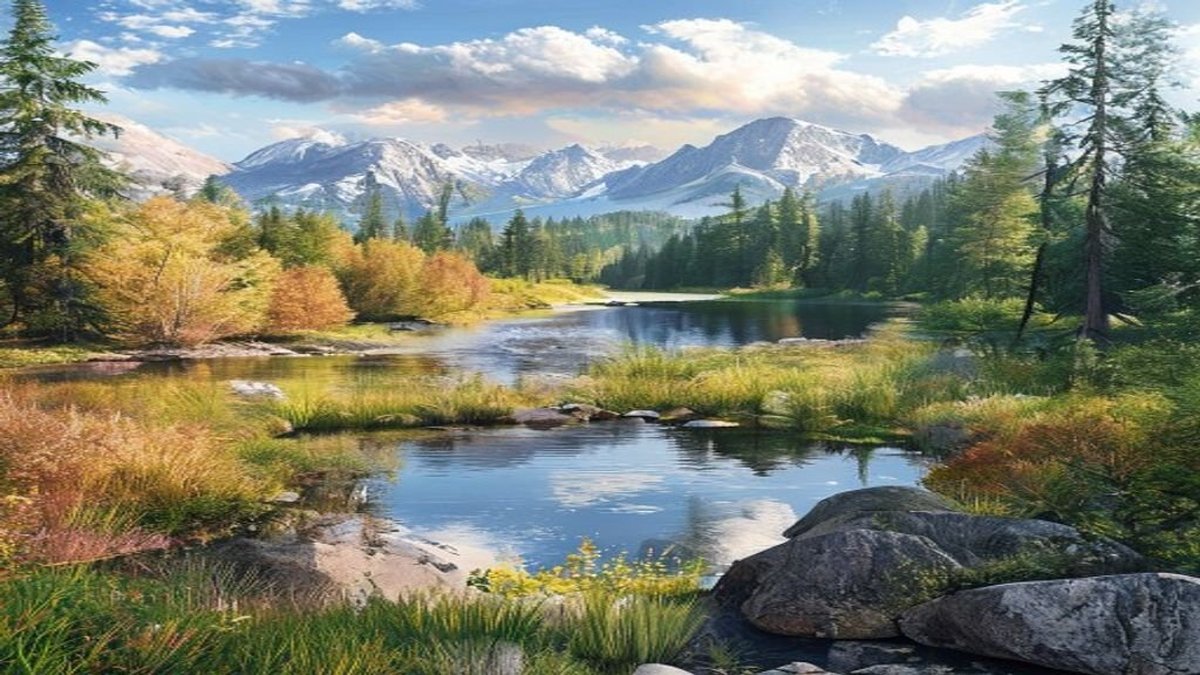
Seasonal guide for visiting US national parks with month-by-month recommendations covering weather, crowds, wildlife activity, and road accessibility.
Seasonal guide for visiting US national parks with month-by-month recommendations covering weather, crowds, wildlife activity, and road accessibility.
Each national park season offers distinct advantages and challenges. Summer provides full access and warm weather but brings crowds and requires advance reservations. Spring features wildflowers and waterfalls while winter offers solitude and unique beauty. The key to a successful national park visit is matching your expectations and flexibility to the season that best suits your priorities.
National parks are distributed across dramatically different climate zones, from Arctic tundra in Alaska to subtropical wetlands in Florida. Seasonal conditions vary enormously between parks, making it impossible to generalize a single best season for all parks. This guide breaks down recommendations by region and month to help you plan your visits.
There is no bad time to visit a national park, only mismatched expectations. A winter visit to Yellowstone offers wolf tracks in deep snow and steaming geysers in subzero temperatures. It is not the same experience as July, but it may be more memorable.
Spring brings dramatic changes across national parks. In Yosemite, May offers peak waterfall flow from snowmelt, with Yosemite Falls thundering at full power. Wildflower displays peak in Great Smoky Mountains National Park during April and May, with over 1,500 species of flowering plants. Saguaro National Park in Arizona offers spectacular cactus blooms in April and May.
Spring advantages include moderate temperatures, fewer crowds than summer, and active wildlife with newborn animals. Disadvantages include unpredictable weather, lingering snow at high elevations, and limited road access in parks like Yellowstone and Glacier where higher elevation roads remain closed until late May or June. Pack for variable conditions and check road status before traveling.
Summer is the most popular time for national park visits, and for good reason. All park roads and facilities are open, weather is warmest, and days are longest. This is the best season for high-elevation hikes in parks like Rocky Mountain, Grand Teton, and Mount Rainier, where trails above treeline are finally snow-free. Wildlife is active, and ranger-led programs are in full swing.
The significant disadvantages of summer visits include crowds, heat in desert parks, and the need for advance reservations for accommodations and popular hikes. Arrive at park entrances before 8 AM to avoid entry lines. Visit popular trailheads early or late in the day. Consider visiting less popular parks like Great Basin, Congaree, or Black Canyon of the Gunnison for summer trips with fewer crowds.
Fall is often considered the best season for national park visits. Crowds thin significantly after Labor Day, weather remains pleasant in most parks, and autumn colors create spectacular landscapes. September and October offer ideal conditions in parks throughout the Rockies, Appalachians, and Northeast. Elk rut season in Rocky Mountain and Great Smoky Mountains parks provides dramatic wildlife viewing.
Fall advantages include comfortable temperatures, fewer visitors, lower prices for lodging, and spectacular foliage. Disadvantages include shorter days, cooling temperatures at high elevations, and gradual facility closures as parks transition to winter operations. September is the sweet spot in most mountain parks.
Winter transforms national parks into quiet, snow-covered wonderlands. Yellowstone's geyser basins steam in subzero temperatures. Bryce Canyon's hoodoos wear snowcaps against deep blue skies. The Grand Canyon offers winter views with dramatically clearer air than summer. Death Valley's mild winter temperatures make it the best season for exploring the hottest place on Earth.
Winter visits require specific preparation. Many park roads close, limiting access to certain areas. Facilities including visitor centers and lodges operate on reduced schedules or close entirely. Cold weather gear is essential, and tire chains may be required in mountain parks. The rewards for this extra preparation are profound solitude and a completely different perspective on familiar landscapes.
For Pacific Northwest parks, September delivers the most reliable climbing conditions on glaciated routes. At Mount Rainier National Park, the Disappointment Cleaver route to the 14,411-foot summit sees its highest success rates in late July through early September, when crevasses are most visible and weather windows are longest. Climbers should carry a Black Diamond Viper ice axe and Petzl Sarken crampons for the mixed snow and rock sections above 12,000 feet. The Muir Snowfield, a 4.5-mile approach from Paradise, requires an alpine start by 2 AM to avoid afternoon snow softening that can make post-holing dangerous.
Desert parks like Joshua Tree and Canyonlands offer their prime climbing and hiking season from October through November and again from March through April. At Joshua Tree, the 5.8-rated "Walk on the Wild Side" route in the Wonderland of Rocks area sees ideal friction on quartz monzonite when daytime temperatures hover between 60 and 75 degrees Fahrenheit. Hikers tackling the 8.4-mile round trip to The Window in Big Bend National Park should plan for November visits when temperatures rarely exceed 80 degrees and the Chisos Mountains basin shows peak autumn color in the bigtooth maples. A hydration system like the Osprey Hydraform 3-liter reservoir is essential for these arid environments.
Alaska's national parks operate on an entirely different calendar, with Denali National Park's sole road opening fully only from late May through early September. The 92-mile Park Road to Kantishna requires a bus reservation made months in advance for summer visits, with the best wildlife viewing—grizzly bears digging for roots and caribou calves—concentrated in June. Hikers tackling the 4.3-mile Savage River Loop should carry bear spray from Counter Assault and know how to deploy it before setting out, as grizzly encounters peak along the river corridor in July when salmon runs begin. Winter visits to Denali require ski or snowshoe travel, with the park offering ranger-led snowshoe walks on weekends from December through February when northern lights displays are most active.
For those seeking the least crowded experience at the most popular parks, consider the shoulder season of late April or early October. At Great Smoky Mountains National Park, the 11-mile round trip on the Alum Cave Trail to Mount Le Conte sees 80 percent fewer hikers in early October compared to July, while fall color peaks in the 6,593-foot summit's yellow birch and mountain ash trees. The trail's signature feature, the 0.7-mile section of cable handrails along the Alum Cave Bluffs, can be icy in April mornings, making Microspikes from Kahtoola a prudent addition to any daypack. Trail & Summit recommends checking the National Park Service's road status page before any shoulder-season trip, as temporary closures from snow or ice can occur unpredictably.
Forhikerstargetingthe Pacific Northwest, Olympic National Park’s Hoh Rain Foresttransformsinlate April into a vibrant corridor of moss draped maples and trill i um blooms along the 17.4-mile Hoh River Trail. Trekkingpoleswithcarbidetips, suchas Black Diamond’s Trail Ergo Corkmodels, prove essential for navigating the slick boardwalks and muddy sections near the Five Mile Islandcamp. The Kalaloch Beach area offers a contrasting experience in May, where low tides around 1 5 feet expose tide pools teeming with purple sea stars and green anemones best explored with a waterproof field guide like the Pacific Coast Tide Pool Guide”by Marine Research Associates. Rangers recommend arriving before 8a. m. tosecureoneofthe 30first-comecampsitesat Hoh Campground, as reservations vanish weeks in advance
Inthearid Southwest, May presents an ideal window for traversing Bryce Canyon National Park’s Navajo Loop Trail, a 1.3-miledescentthrough 500-foot-tallhoodoos. Hikers should pack a hydration bladder like the Camel Bak Crux 3 liter reservoir to combat the dry air and 8,000-footelevation, wheretemperaturescanswing 30 degrees between morning and afternoon Thetrail’s Wall Streetsection, anarrowslotcanyon, remainsopenuntillate May before summer monsoons increase rock fall risk making early season visits critical for safe passage Sunset Pointat 7:30p. m. offers unobstructed views of the amphitheater s orange spires withaheadlampfrom Petzl’s Tikka series recommended for the return hike in fading light
For Pacific Northwest parks like Olympic and Mount Rainier, July through September offers the most reliable weather for high-elevation treks. The 93-mile Wonderland Trail circumnavigating Mount Rainier requires careful snowmelt timing, with late August typically providing the best balance of snow-free passes and minimal creek crossings. Runners and backpackers often tackle this route with lightweight gear from brands like Hoka and Osprey, using trekking poles to navigate the 22,000 feet of cumulative elevation gain. September brings huckleberry season, attracting black bears to subalpine meadows along the trail near Panhandle Gap.
Desert parks in the Southwest demand strategic timing, with October through November and March through April offering the most comfortable hiking conditions. In Zion National Park, the 16-mile round-trip West Rim Trail via Angels Landing provides sweeping views of the canyon, but summer temperatures frequently exceed 100°F, making early morning starts with a 3-liter hydration reservoir essential. The Narrows hike through the Virgin River requires a dry suit rental from April through June when spring snowmelt pushes water flows above 120 cubic feet per second. By October, water levels drop to safer wading conditions around 50 cubic feet per second.
Alaska's remote national parks operate on a compressed seasonal schedule, with Denali National Park's 92-mile Park Road fully opening only from late May through mid-September. The 4.5-mile round-trip Savage River Loop trail offers the most accessible tundra hiking experience in June when mosquitoes are still manageable with proper repellent and head nets. July and August provide the best window for backcountry camping, requiring bear-resistant canisters and satellite communication devices like the Garmin in Reach Mini 2 for safety in grizzly territory. By September, the northern lights become visible again near the park entrance at Milepost 237 on the Parks Highway, signaling the transition to winter.
Developing a consistent navigation routine keeps you oriented throughout the day. Every time you stop for a water break or snack, pull out your map and identify your current location. Note the next landmark you expect to see and the approximate time to reach it. This habit of regular map checks prevents the gradual disorientation that leads to getting lost. Experienced hikers recommend taking a bearing every 30 to 45 minutes in unfamiliar terrain, even when the trail seems obvious.
Before any hike, study the route on a map and identify key waypoints, bailout points, and potential hazards. Note the direction of ridges, valleys, and water features so you can use them as natural handrails. Share your planned route with someone who will notice if you do not return on time. Proper pre-trip planning transforms a potentially stressful navigation challenge into an enjoyable day on the trail.