Table of Contents
From the granite walls of Yosemite to the limestone caves of Thailand, the world offers incredible climbing destinations for every style and ability level.
Jordan Myers
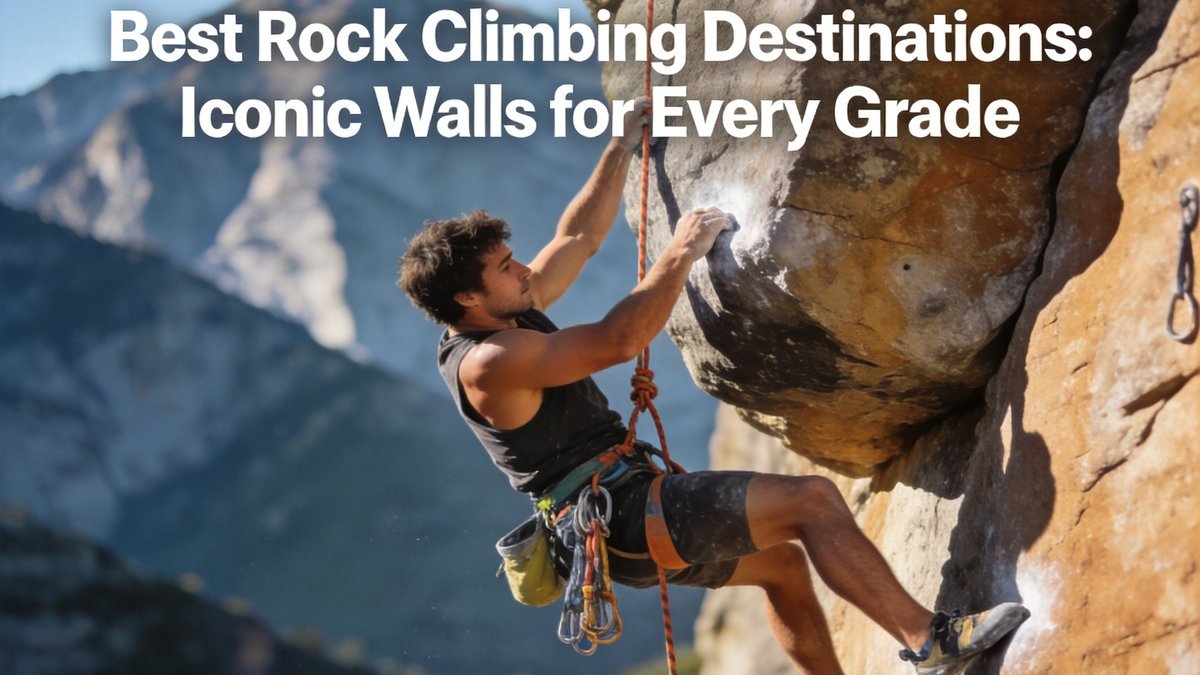
From the granite walls of Yosemite to the limestone caves of Thailand, the world offers incredible climbing destinations for every style and ability level.
From the granite walls of Yosemite to the limestone caves of Thailand, the world offers incredible climbing destinations for every style and ability level.
The Red River Gorge in Kentucky is North America's premier sport climbing destination. Hundreds of sandstone cliffs offer steep, technical climbing with routes spanning 5.5 to 5.15. The classic strength of the Red is sustained, overhanging routes that demand endurance and powerful movement. Spring and fall provide ideal climbing conditions with moderate temperatures and low humidity.
Rifle Mountain Park in Colorado features steep, technical limestone climbing on bullet-hard rock. Routes are notoriously stiff, with grades that feel harder than similarly rated routes elsewhere. The park is managed by the city of Rifle with a paid admission system that keeps crowds manageable. Summer climbing is possible due to the shaded canyon location and reliable afternoon breezes.
The New River Gorge in West Virginia offers extensive sandstone sport climbing with a wilderness setting. Thousands of routes spread across multiple cliff lines provide variety for every grade level. The Endless Wall section features classic routes with stunning river views. Spring and fall are prime seasons with comfortable climbing temperatures.
Yosemite Valley in California needs no introduction for climbers. El Capitan, Half Dome, and countless smaller cliffs offer the world's finest granite big wall and multi-pitch climbing. Routes range from the easy but exposed 5.4 of Snake Dike on Half Dome to the hardest big wall aid routes on El Capitan. Yosemite climbing culture is rich with history and tradition dating back to the golden age of climbing.
The Shawangunks or Gunks in New York offer classic sandstone trad climbing with exposed, horizontal crack systems called flatiron traverses. Routes are known for their exposed positions, exciting runouts, and consistent quality. The Gunks climbing community maintains strong ethics around route preservation and traditional values. Spring and fall provide the best conditions.
Squamish in British Columbia combines world-class granite climbing with incredible scenery. The Chief offers multi-pitch trad routes, steep sport climbs, and the best bouldering in Canada. Squamish granite features perfect cracks, face climbing, and aretes. Summer weather is reliable, and the climbing community is welcoming with strong mentorship culture.
Bishop in California's Owens Valley is the premier highball bouldering destination in the United States. The volcanic tablelands offer thousands of problems on perfect basalt with classic highball lines pushing 40-50 feet tall. The Buttermilks feature the world's hardest boulder problems alongside classics accessible to intermediate climbers. Winter and early spring provide the best conditions.
Hueco Tanks State Park in Texas offers the most famous bouldering in North America. The volcanic rhyolite formations create unique features including huecos pockets that give the park its name. Classic problems span every grade from V0 to V16. Access is limited to protect cultural resources so reservations are required. Winter is the prime season with comfortable climbing temperatures.
Rocklands in South Africa has become one of the world's premier bouldering destinations. Thousands of problems on incredible sandstone formations spread across a vast landscape. The rock quality is exceptional with perfect friction. The South African summer from May to September provides ideal climbing conditions with mild temperatures.
Ton Sai and Railay in Thailand are the world's most famous tropical climbing destinations. Limestone sea cliffs rise from turquoise water creating an incredible climbing setting. Routes range from easy 5.6 slab climbs to steep 5.14 cave routes. The area offers deep water soloing where climbers climb above the ocean without ropes. Dry season from November to April provides the best conditions.
Siurana in Spain is a world-class limestone sport climbing destination. The cliff sits above a stunning reservoir with views of the Catalan countryside. Classic routes feature technical face climbing, pockets, and steep tufa formations. The area has strong climbing infrastructure with well-maintained trails, bolted anchors, and nearby accommodations.
Kalymnos in Greece offers incredible limestone sport climbing on a beautiful Mediterranean island. Thousands of routes descend from the mountain ridges to the sea. The climbing is predominantly steep and technical with incredible views. Spring and fall provide the best conditions with comfortable temperatures and fewer crowds than peak summer.
Research seasonal conditions before planning your trip. Most North American destinations are best in spring and fall when temperatures are moderate. Summer climbing is possible at high elevation areas like the Sierra Nevada or alpine venues. Winter climbing is excellent in desert destinations like Bishop, Hueco Tanks, and Red Rocks. International destinations have varied seasons that require careful timing.
Guidebooks and online resources provide essential route information. Purchase current guidebooks before your trip or download apps like Mountain Project for route descriptions, approach information, and descent details. Read recent trip reports on climbing forums for current conditions including road closures, trail conditions, and route maintenance status.
Prepare for your climbing trip with appropriate gear for the destination. Sport climbing areas require quickdraws and a rope. Trad climbing areas require a full rack appropriate for the local rock type. Bouldering destinations require crash pads and a spotter crew. Research gear requirements specific to each destination before packing.
"Yosemite is not just a climbing destination. It is the cathedral of American climbing where every granite face tells a story of determination, courage, and the relentless pursuit of vertical lines that define our sport."
"The best climbing destination in the world is the one nearest to you that you can visit regularly. Consistent practice on local rock builds skills that make trips to iconic destinations more rewarding when they happen."
The Red River Gorge offers excellent beginner-friendly climbing with hundreds of 5.5 to 5.9 routes on high-quality sandstone. The climbing community is welcoming, guide services are available, and the infrastructure including camping and gear shops supports beginner climbers. Indoor gyms in major cities also provide the safest introduction to climbing.
Many climbing destinations have community bulletin boards, Facebook groups, and guide services that connect climbers. Staying at climber-friendly campgrounds or hostels increases partner-finding opportunities. Climbing gyms near popular destinations often have partner-matching boards. Hiring a guide for your first days at a new area helps you learn the routes and meet other climbers.
Research the specific climbing season for your destination. Most North American crags are best in spring and fall. Desert areas are excellent in winter and early spring. High elevation areas are climbable in summer. International destinations have varied seasons. Check guidebooks and recent trip reports for the most current seasonal information.
Guides are not required at most international climbing destinations but provide significant advantages for your first visit. Guides know the route locations, descent trails, local regulations, and cultural considerations. They also handle gear logistics and provide local beta that guidebooks cannot capture. For remote destinations or areas with complex access, guides are strongly recommended.
Endurance climbing differs significantly from bouldering power. To build route-climbing endurance, focus on climbing three to four times per week with extended sessions on auto-belay or top rope. Practice techniques like pace breathing, resting on holds, and reading sequences before committing to moves. Many intermediate climbers find that climbing with a partner on longer routes improves their endurance faster than any training regimen.
Moving from indoor climbing to outdoor rock requires learning several new skills. Outdoor routes lack the obvious colored holds of gym climbing, so you must read the rock for features like edges, crimps, and jugs. Route finding becomes a critical skill, as identifying the correct line up a cliff face requires practice. Start on well-traveled sport climbs with visible bolt placements before progressing to trad climbing where you place your own protection.
Climbing challenges both physical abilities and mental fortitude. Develop pre-climb routines that help you focus and manage fear. Breathing exercises, visualization of the route, and positive self-talk all contribute to better climbing performance. Accept that falling is part of the learning process and practice falling safely in a controlled environment before pushing your limits on lead climbs outdoors.
Endurance climbing differs significantly from bouldering power. To build route-climbing endurance, focus on climbing three to four times per week with extended sessions on auto-belay or top rope. Practice techniques like pace breathing, resting on holds, and reading sequences before committing to moves. Many intermediate climbers find that climbing with a partner on longer routes improves their endurance faster than any training regimen.
Moving from indoor climbing to outdoor rock requires learning several new skills. Outdoor routes lack the obvious colored holds of gym climbing, so you must read the rock for features like edges, crimps, and jugs. Route finding becomes a critical skill, as identifying the correct line up a cliff face requires practice. Start on well-traveled sport climbs with visible bolt placements before progressing to trad climbing where you place your own protection.