Table of Contents
Prepare for high-elevation hiking with this 8-week training program. Build cardiovascular endurance, leg strength, and altitude adaptation for mountain trails.
Jordan Myers
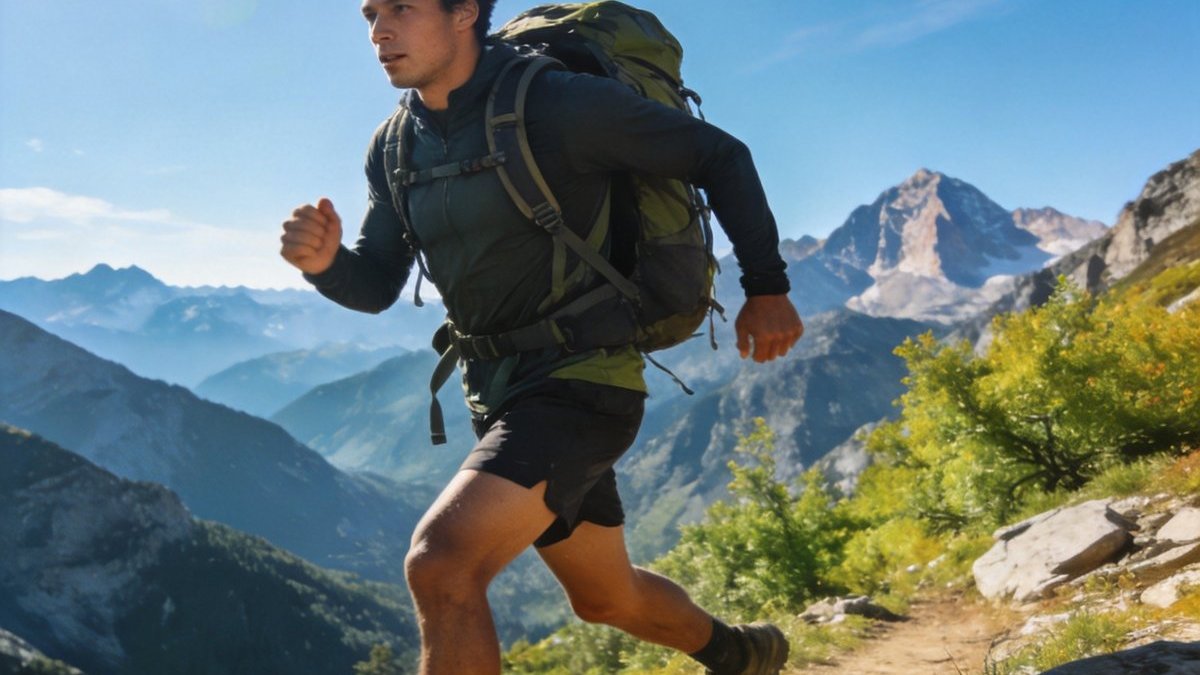
Prepare for high-elevation hiking with this 8-week training program. Build cardiovascular endurance, leg strength, and altitude adaptation for mountain trails.
High-elevation hiking demands more from your body than any other type of trail travel. Thin air, steep grades, and long days combine to challenge even experienced hikers. Proper training prepares your cardiovascular system, builds muscular endurance, and helps your body adapt to reduced oxygen availability. This 8-week program builds the fitness you need to tackle mountain trails with confidence.
Altitude affects your body in several ways that impact hiking performance. As elevation increases, atmospheric pressure decreases, reducing the amount of oxygen available with each breath. At 8,000 feet, the air contains roughly 25 percent less oxygen than at sea level. Your body compensates by breathing faster, increasing heart rate, and producing more red blood cells over time. These adaptations take days to weeks to develop fully. Acute mountain sickness affects some people above 8,000 feet, with symptoms including headache, nausea, fatigue, and dizziness. The best prevention is gradual ascent. The mountaineering rule of thumb is to not increase sleeping elevation by more than 1,000 feet per day above 8,000 feet, with a rest day every 3,000 feet of elevation gain. Hydration becomes critical at elevation because you lose more fluid through increased respiration rate.
The first two weeks focus on establishing a baseline of cardiovascular fitness and introducing proper form for loaded hiking. Begin with three to four sessions per week of 30 to 45 minutes of sustained aerobic activity. Brisk walking, jogging, cycling, or using an elliptical machine all build the aerobic base needed for mountain hiking. Maintain a conversational pace where you can speak in full sentences without gasping for breath. This intensity level develops aerobic capacity without overstressing your body. Include two strength sessions per week focusing on legs, core, and back. Lunges, squats, step-ups, calf raises, and deadlifts build the specific muscles used in steep terrain. Core exercises like planks and Russian twists improve stability under load. Start each session with 5 minutes of dynamic stretching and end with 10 minutes of static stretching.
Weeks three through five increase training intensity and introduce loaded hiking practice. Increase aerobic sessions to 45 to 60 minutes, with two sessions per week including interval training. Alternate 3 minutes of high intensity with 2 minutes of recovery to simulate the demands of steep trail sections. Begin stair climbing or treadmill incline walking with a loaded pack. Start with 20 percent of your target trip pack weight and increase by 5 percent each week. Practice maintaining good posture under load: chest up, shoulders back, and core engaged. Extend strength training sessions to include more hiking-specific movements. Bulgarian split squats, walking lunges with weight, and single-leg deadlifts improve balance and stability on uneven terrain. Add calf raises to strengthen the muscles that propel you uphill. Include one weekly session of 60 to 90 minutes of outdoor hiking on local trails with your training pack.
The final three weeks simulate the demands of your target hike as closely as possible. Increase weekend trail hikes to 3 to 5 hours with your full target pack weight. Practice pacing strategies on steep terrain, using short steps and a steady rhythm rather than pushing hard and stopping frequently. Include one session per week of stair climbing with your full pack for at least 30 continuous minutes. Reduce strength training volume while maintaining intensity to avoid accumulated fatigue. Begin tapering in the final week before your trip, reducing training volume by 50 percent while maintaining some light activity to prevent stiffness. Focus on nutrition and sleep during this period. Your body adapts and strengthens during rest, not during training. Arrive at your trailhead well-rested, well-hydrated, and confident in your preparation.
Your lungs do not actually need to get stronger for altitude hiking. They need your cardiovascular system to become more efficient at delivering oxygen to working muscles. This is why sustained aerobic training at moderate intensity matters more than high-intensity interval work for altitude preparation.
The most common mistake hikers make at elevation is going too hard on the first day. The excitement of being in the mountains overrides the body warnings. Follow the rule: hike high, sleep low. Climb to elevation during the day but descend to a lower camp to sleep.
Yes. While living at elevation provides natural adaptation, sea-level dwellers can prepare effectively through cardiovascular training, simulated altitude training masks, and proper ascent strategies on their trip. The most important factor is arriving with excellent cardiovascular fitness and planning gradual ascent once you reach the mountains.
Focus on complex carbohydrates, lean protein, and healthy fats. Carbohydrates provide the primary fuel for sustained aerobic activity. Iron-rich foods support red blood cell production, which aids altitude adaptation. Stay well-hydrated throughout training, as dehydration compounds the effects of altitude.
Signs of overtraining include persistent fatigue, decreased performance, irritability, sleep disruption, and increased resting heart rate. If you experience these symptoms, take an extra rest day or reduce training intensity. Listen to your body and adjust your training plan accordingly.
Compression socks help improve circulation and reduce leg fatigue during long days of hiking, but they do not directly help with altitude adaptation. They are most useful for improving comfort and recovery rather than preventing altitude-related issues. Focus on gradual ascent and proper hydration for altitude management.
Developing a consistent navigation routine keeps you oriented throughout the day. Every time you stop for a water break or snack, pull out your map and identify your current location. Note the next landmark you expect to see and the approximate time to reach it. This habit of regular map checks prevents the gradual disorientation that leads to getting lost. Experienced hikers recommend taking a bearing every 30 to 45 minutes in unfamiliar terrain, even when the trail seems obvious.
Before any hike, study the route on a map and identify key waypoints, bailout points, and potential hazards. Note the direction of ridges, valleys, and water features so you can use them as natural handrails. Share your planned route with someone who will notice if you do not return on time. Proper pre-trip planning transforms a potentially stressful navigation challenge into an enjoyable day on the trail.
When hiking in a group, designate a dedicated navigator rather than assuming everyone knows the route. This prevents the common scenario where each person thinks someone else is leading. At every junction, confirm the correct direction as a group before proceeding. A quick group check takes thirty seconds but can save hours of backtracking if the wrong turn is taken.
Developing a consistent navigation routine keeps you oriented throughout the day. Every time you stop for a water break or snack, pull out your map and identify your current location. Note the next landmark you expect to see and the approximate time to reach it. This habit of regular map checks prevents the gradual disorientation that leads to getting lost. Experienced hikers recommend taking a bearing every 30 to 45 minutes in unfamiliar terrain, even when the trail seems obvious.
Before any hike, study the route on a map and identify key waypoints, bailout points, and potential hazards. Note the direction of ridges, valleys, and water features so you can use them as natural handrails. Share your planned route with someone who will notice if you do not return on time. Proper pre-trip planning transforms a potentially stressful navigation challenge into an enjoyable day on the trail.
When hiking in a group, designate a dedicated navigator rather than assuming everyone knows the route. This prevents the common scenario where each person thinks someone else is leading. At every junction, confirm the correct direction as a group before proceeding. A quick group check takes thirty seconds but can save hours of backtracking if the wrong turn is taken.
Developing a consistent navigation routine keeps you oriented throughout the day. Every time you stop for a water break or snack, pull out your map and identify your current location. Note the next landmark you expect to see and the approximate time to reach it. This habit of regular map checks prevents the gradual disorientation that leads to getting lost. Experienced hikers recommend taking a bearing every 30 to 45 minutes in unfamiliar terrain, even when the trail seems obvious.
Before any hike, study the route on a map and identify key waypoints, bailout points, and potential hazards. Note the direction of ridges, valleys, and water features so you can use them as natural handrails. Share your planned route with someone who will notice if you do not return on time. Proper pre-trip planning transforms a potentially stressful navigation challenge into an enjoyable day on the trail.