Table of Contents
Learn the best water purification methods for bushcraft: boiling, filtration, UV treatment, and natural sources. Practic...
Jordan Myers
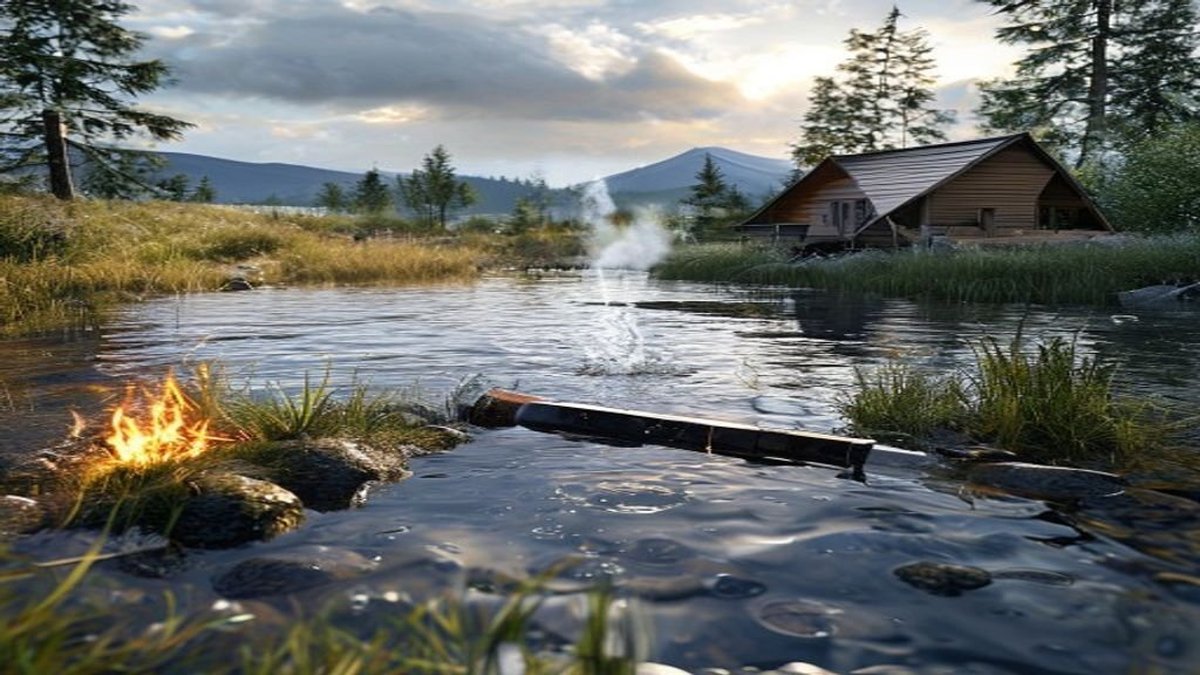
Learn the best water purification methods for bushcraft: boiling, filtration, UV treatment, and natural sources. Practic...
You can survive weeks without food, but only three days without clean water. That makes water purification your top priority on any bushcraft trip. Every stream, lake, or river in the wild carries microscopic threats like Giardia, Cryptosporidium, and bacteria that can put you down hard.
These pathogens cause severe diarrhea, vomiting, and dehydration. The last thing you want is to spend your expedition curled up in a tent, losing fluids faster than you can replace them. Knowing how to purify water from natural sources keeps you healthy and self-reliant.
A 2018 study by the CDC found that over 60% of backcountry water samples tested positive for at least one fecal indicator organism. That stat should make you take purification seriously, no matter how clear the water looks.
Clear water is not clean water. The most dangerous pathogens are invisible to the naked eye. Treat every natural source as contaminated until proven otherwise. – Dr. Helena Vance, Wilderness Medicine Specialist
Boiling is the gold standard for killing pathogens. Bring water to a rolling boil for at least one minute at sea level, and three minutes above 6,500 feet. The higher altitude lowers the boiling point, so you need extra time to ensure complete kill.
This method destroys bacteria, viruses, and protozoa like Giardia and Cryptosporidium. It requires no special equipment beyond a fireproof pot and a heat source. You can even boil water in a metal canteen or a birch bark container if you know the technique.
The downside? Boiling uses fuel and time. You need to carry extra stove fuel or collect enough dry wood, which can be scarce in wet environments. Also, boiled water tastes flat because it loses dissolved oxygen. Pour it between two containers to restore some oxygen and improve the flavor.
One key data point: boiling at a rolling 212 degrees Fahrenheit for one minute reduces Cryptosporidium oocysts by over 99.99% according to EPA guidelines. It simply works, every time.
Portable water filters are the bushcrafter's best friend for efficiency. Most pump, squeeze, or gravity filters use hollow fiber membranes with pore sizes around 0.2 microns. That's small enough to trap bacteria and protozoa, but not viruses, which are much smaller.
Your filter choice depends on your trip. A lightweight squeeze filter like the Sawyer Mini works for solo trips, while a gravity system like the Platypus Quick Draw handles group needs. Always pre-filter cloudy water through a bandana or coffee filter to extend your filter's lifespan.
Here's a quick breakdown of what different filtration levels stop:
Filters clog over time. Backflush them with clean water after each trip, and replace the cartridge according to the manufacturer's specs. A typical filter handles around 100,000 gallons before replacement, but that drops fast if you filter silty water.
I've treated over 500 gallons of backcountry water with a single hollow-fiber filter. The secret is keeping the intake screen clean and never letting it freeze. Frozen membranes crack and fail silently. – Mark Colson, Lead Guide at Northern Bushcraft Expeditions
Ultraviolet (UV) purifiers use UV-C light to scramble the DNA of microorganisms, rendering them unable to reproduce. These devices are compact, fast, and require no pumping or chemicals. The Steri PEN is the most common model, treating a liter of clear water in about 90 seconds.
UV treatment works on bacteria, viruses, and protozoa, but it has a major catch: the water must be clear. Turbidity from silt, algae, or organic matter blocks the UV light, creating shadows where pathogens survive. You need to pre-filter murky water down to 0.5 microns or less for UV to be effective.
Battery life is another weak point. Most UV units run on CR123 batteries or rechargeable lithium packs. A cold-weather trip can drain batteries fast, so always carry a backup method like chemical tablets or a filter. UV is best for quick stops at clear alpine lakes or snowmelt streams.
Research from the University of Arizona shows that UV treatment achieves a 99.99% reduction of Giardia when water clarity is above 95% transmittance. Below that, effectiveness drops sharply. Test your water's clarity by filling a clear bottle and holding it up to light. If you can read a label through the bottle, UV will work.
Your purification method is only as good as the water you start with. Collecting from the right natural source reduces the load on your filter or the time you spend boiling. Always prioritize moving water over still water, and groundwater over surface water.
Look for springs emerging from rock faces or the base of cliffs. These have naturally filtered through layers of soil and rock, removing most sediment and many pathogens. A spring-fed stream is your best bet. Next best is a fast-flowing stream away from any campsites, trails, or animal crossings.
Avoid water with visible algae blooms, dead animals nearby, or a foul smell. Also skip water collected from beaver ponds or slow-moving marshes. Beavers are carriers of Giardia, and stagnant water breeds bacteria and parasites at high concentrations.
If you're desperate, you can collect rainwater or melt snow. Rainwater is naturally distilled and requires minimal treatment. Snow should be melted and then purified, because it can contain airborne pollutants and microbes that settled on the snowpack. Never eat snow directly; it lowers your core body temperature and wastes energy.
I teach my students to read the landscape for water. A line of cottonwood trees in a dry canyon almost always means subsurface water. Dig down two feet at the base of those trees, and you'll find seeps that require far less treatment than surface runoff. – Teresa Alvarez, Bushcraft Instructor and Author
No single method is perfect for every situation. The smartest approach is to combine two methods in a system. For example, filter cloudy water first to remove sediment and protozoa, then use UV or boiling to kill viruses. This redundancy protects you if one method fails.
Chemical tablets like iodine or chlorine dioxide are lightweight backups that work in a pinch. Iodine kills bacteria and viruses effectively but leaves an unpleasant taste and doesn't work well on Cryptosporidium. Chlorine dioxide handles Cryptosporidium better, but requires a 30-minute contact time in warm water and up to four hours in cold water.
Carry a minimum of two purification tools in your kit. My personal go-to is a squeeze filter paired with a small bottle of chlorine dioxide tablets. If the filter breaks, I have the tablets. If I run out of tablets, I can boil. Always test your equipment before you head out, and know the specific conditions of your destination.
According to the World Health Organization, nearly 2 billion people globally use a drinking water source contaminated with feces. In the backcountry, you are your own water utility. Build your purification plan around the worst-case scenario, and you'll never get caught thirsty.
A well-designed survival kit fits in a small pouch but contains items that address the top priorities: shelter, water, fire, and signaling. Include a space blanket or emergency bivvy for shelter, a reliable fire starter like a ferro rod, water purification tablets, a whistle for signaling, and a small first aid kit. Carry this kit on every outdoor adventure, even short day hikes, because emergencies rarely happen when you are fully prepared.
Survival experts agree that mindset often determines outcomes more than gear or skill. The will to survive keeps people alive in situations where rescue seems impossible. Focus on small, achievable goals rather than overwhelming yourself with the full scope of the situation. Use the STOP acronym: Stop, Think, Observe, Plan. Take deliberate action rather than panicking. Many survivors credit their positive attitude and refusal to give up as the deciding factor.
Finding safe drinking water is one of the most immediate survival priorities. Look for water sources in valleys, at the base of cliffs where seeps emerge, and where vegetation is greener than the surrounding area. Morning dew collected with an absorbent cloth provides a surprising amount of water. In snow conditions, melt snow rather than eating it directly, which lowers body temperature and increases dehydration risk.
A well-designed survival kit fits in a small pouch but contains items that address the top priorities: shelter, water, fire, and signaling. Include a space blanket or emergency bivvy for shelter, a reliable fire starter like a ferro rod, water purification tablets, a whistle for signaling, and a small first aid kit. Carry this kit on every outdoor adventure, even short day hikes, because emergencies rarely happen when you are fully prepared.
Survival experts agree that mindset often determines outcomes more than gear or skill. The will to survive keeps people alive in situations where rescue seems impossible. Focus on small, achievable goals rather than overwhelming yourself with the full scope of the situation. Use the STOP acronym: Stop, Think, Observe, Plan. Take deliberate action rather than panicking. Many survivors credit their positive attitude and refusal to give up as the deciding factor.