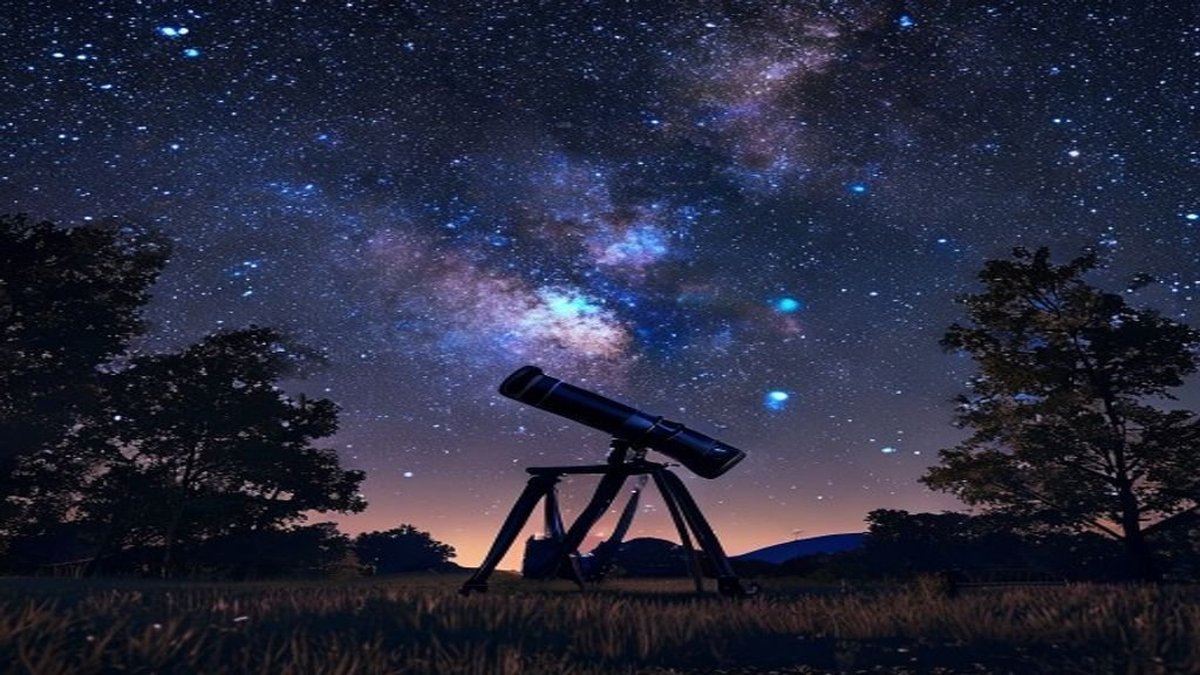
Why Dark Sky Parks Matter for Stargazing
Light pollution is the silent thief of the night sky. In most of the U.S., you can barely see a dozen stars from your backyard. Dark sky parks are designated areas with strict lighting controls that protect your ability to see the cosmos as it truly is.
The International Dark-Sky Association (IDA) certifies these parks, and there are now over 60 across the United States. At a certified park, you can expect naked-eye visibility of the Milky Way, zodiacal light, and even the Andromeda Galaxy. The best part is that most parks are free or have a modest entry fee, making this an affordable adventure.
The difference between a suburban night and a dark sky park is like comparing a flashlight to a bonfire. Once you see the Milky Way with your own eyes, you will never look at the sky the same way again. — Dr. Emily Carter, Astrophysicist and Dark Sky Advocate
Top 5 Dark Sky Parks You Need to Visit This Year
You do not have to travel to the middle of nowhere to find exceptional darkness. These five parks offer some of the clearest skies in the country, and each has unique features that make it worth the drive.
- Kissimmee Prairie Preserve State Park, Florida — The first IDA-certified park in Florida. It has a Bortle Class 2 sky, meaning you can see the Milky Way from horizon to horizon. A 5-mile hiking trail leads to a remote observation area.
- Natural Bridges National Monument, Utah — This was the world's first IDA dark sky park. The three natural bridges frame the night sky perfectly. The park averages 300 clear nights per year.
- Cherry Springs State Park, Pennsylvania — The darkest spot on the East Coast. They have a dedicated Astronomy Observation Field with concrete pads for telescopes. The park sees an average of 50 to 60 visitors per clear night, so it never feels crowded.
- Great Basin National Park, Nevada — One of the least visited national parks, which means minimal light pollution. The Lehman Caves offer daytime tours, and the night sky is so dark that the Milky Way casts a visible shadow. The park sits at 9,000 feet elevation, giving you a thinner atmosphere for sharper views.
- Big Bend National Park, Texas — The Chihuahuan Desert has some of the lowest humidity in the U.S., which means less atmospheric haze. The park has a Bortle Class 1 sky, the darkest possible rating. You can see the Milky Way core from March through October.
When to Plan Your Trip for the Clearest Milky Way Views
Timing is everything for Milky Way photography and observation. The galactic core is visible from March to October, but the best months are May through August. During this window, the core rises high enough above the horizon to be seen clearly, and it sets at a reasonable hour.
You also need to consider the moon phase. A full moon can wash out the Milky Way just as badly as city lights. Plan your trip within five days of a new moon for the darkest conditions. For example, in 2025, the new moons in June and July fall on weekdays, which means less competition for campsites.
Check the weather forecast for low humidity and no clouds. Use a tool like Clear Dark Sky to see hour-by-hour predictions for transparency and seeing conditions. At Big Bend, the average humidity in May is 25%, which is ideal.
Essential Gear for a Successful Stargazing Night
You do not need a fancy telescope to enjoy a dark sky park. Your eyes are the best tool, but a few items will improve your experience. A red-lens headlamp is critical because red light preserves your night vision. White light can ruin your adaptation for 20 minutes.
Bring a reclining camp chair or a foam pad to lie on the ground. Looking up for hours will strain your neck if you are standing. A pair of 10x50 binoculars will reveal star clusters, nebulae, and the moons of Jupiter. If you want to photograph the Milky Way, a DSLR with a fast wide-angle lens (f/2.8 or faster) and a sturdy tripod are essential.
Pack warm clothes even in summer. At high-elevation parks like Great Basin, temperatures can drop 30 degrees after sunset. A thermos of hot tea or coffee makes the late hours more comfortable.
Most people think you need a thousand-dollar telescope to see the Milky Way. The truth is a pair of binoculars and a dark sky will show you more than you ever imagined. — Mark Johnson, Night Sky Guide at Cherry Springs State Park
How to Prepare for Your Visit: Reservations, Permits, and Etiquette
Popular dark sky parks like Cherry Springs and Natural Bridges require reservations for overnight camping, especially during new moon weekends. Cherry Springs has only 30 tent sites, and they often book out two months in advance. Check the park's website for specific rules about telescopes and photography tripods.
Some parks offer ranger-led astronomy programs. Big Bend has a monthly Star Party with volunteer astronomers who set up telescopes for public use. These events are free but require a park entry fee (typically $30 per vehicle). Arrive before sunset to let your eyes adjust and to find a good spot.
Follow basic stargazing etiquette. Avoid using white lights, and if you must use a phone, set the brightness to minimum. Keep conversations low so others can hear the quiet of the desert. Do not shine any lights toward someone who is taking a long-exposure photo. A single headlamp can ruin a 30-second shot.
Additional Tips for Photographing the Night Sky
If you want to capture the Milky Way, use the 500 rule: divide 500 by your lens's focal length to get the maximum shutter speed before stars start to trail. For a 20mm lens, that is 25 seconds. Set your aperture as wide as possible (f/2.8 or f/2.0) and your ISO between 3200 and 6400.
Focus manually on a bright star using live view and zoom in to ensure sharpness. Autofocus will fail in the dark. Take multiple shots and stack them in software like Sequator or DeepSkyStacker to reduce noise. At Natural Bridges, you can frame the bridge under the Milky Way for a stunning foreground element.
Use a remote shutter release or your camera's delay timer to avoid camera shake. A strong headwind can also blur your shots, so find a sheltered spot if possible.
You can get a magazine-worthy Milky Way shot with a basic DSLR and a tripod. The secret is not the gear; it is the darkness of the sky. A dark sky park gives you that advantage for free. — Lisa Tran, Landscape Astrophotographer
With the right planning and a little patience, you can experience the Milky Way in perfect clarity at any of these parks. The night sky is waiting for you to look up.
↑