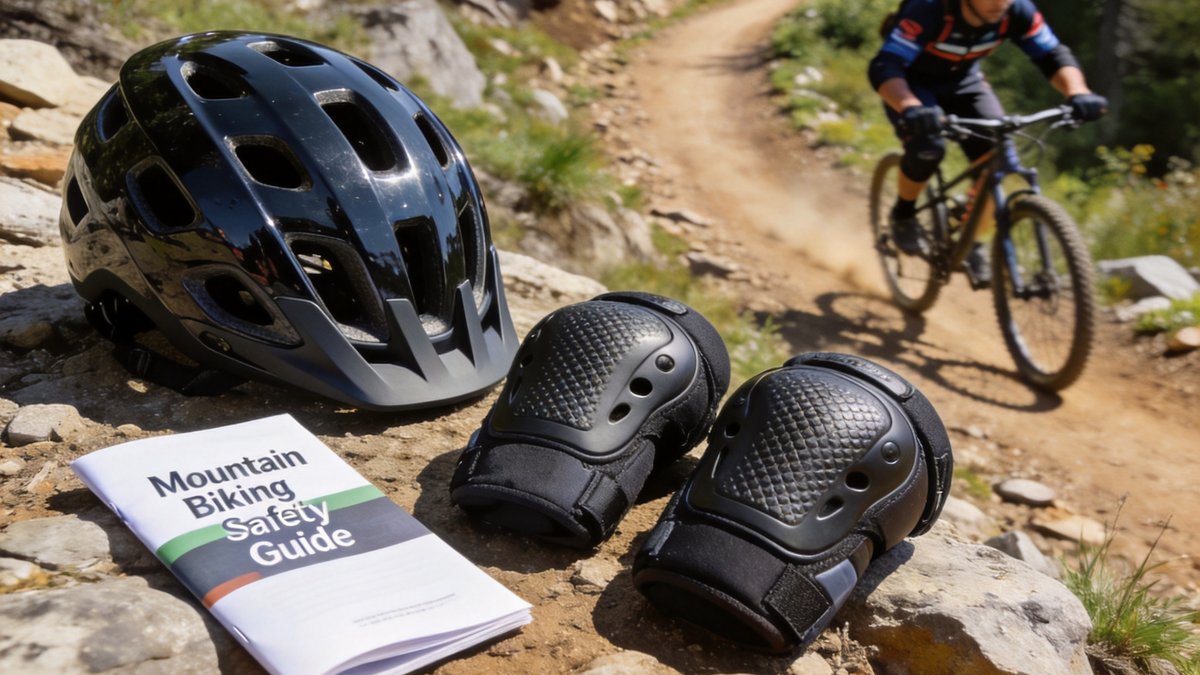
Essential mountain biking protective gear guide covering helmets, knee pads, elbow pads, gloves, and body armor. Stay safe on every trail ride.
Why Protective Gear Is Non-Negotiable
Mountain biking carries inherent risks that no amount of skill can eliminate. Unexpected trail conditions, mechanical failures, and simple mistakes happen to every rider regardless of experience level. Protective gear does not prevent crashes, but it dramatically reduces the severity of injuries when they occur. The best riders in the world wear full protective gear because they understand that pushing limits means accepting the possibility of falling.
The financial argument for protective gear is equally compelling. A quality helmet costs far less than an emergency room visit for a head injury. Knee pads cost less than ACL reconstruction surgery. When viewed as insurance against medical costs and lost riding time, protective gear is the best value in mountain biking.
There are two types of mountain bikers: those who have crashed and those who will. Protective gear does not make you invincible, but it makes the difference between getting up and riding away versus limping back to the trailhead. Wear it every ride, not just the risky ones.
Helmets: Your Most Critical Protection
Mountain bike helmets differ from road helmets in crucial ways. They extend lower on the back of the head for crash protection, feature a visor to block sun and debris, and often include MIPS (Multi-directional Impact Protection System) technology that reduces rotational forces during angled impacts. A proper mountain bike helmet should fit snugly without pressure points and should not move on your head when you shake it.
Full-face helmets provide dramaticlly more protection for the face and jaw and are strongly recommended for downhill, enduro racing, and any riding featuring significant exposure or high speeds. Modern full-face helmets have improved ventilation significantly, making them practical for pedaling uphill as well. Brands like Fox, Troy Lee Designs, Bell, and Smith offer excellent options at various price points.
When to Replace Your Helmet
Replace any helmet after a significant impact, even if no damage is visible. EPS foam compresses on impact and does not rebound, compromising protection for future crashes. Replace helmets every 3-5 years regardless of crash history, as foam degrades with UV exposure and temperature cycling. Never buy a used helmet unless you know its complete history.
Knee and Elbow Pads
Knee pads are the second most important protective gear after helmets because knees are the most commonly injured body part in mountain biking. Knee pads range from lightweight trail pads that prioritize pedaling comfort to heavy-duty DH pads with hard shells. Trail riders should look for pads with D3O or similar viscoelastic materials that remain flexible during pedaling but harden on impact.
Elbow pads are less common than knee pads but equally important for terrain where upper body impacts are likely. Enduro and downhill riders typically wear both knee and elbow pads. The key to comfortable elbow pads is finding a design that does not restrict arm movement while pedaling or during bike handling.
The best knee pads are the ones you wear every ride. If your pads are so uncomfortable that you leave them in the car, they provide zero protection. Choose pads designed for your riding style: lightweight and flexible for trail riding, burly and protective for bike park laps.
Pad Sizing and Fit
Knee and elbow pads should fit snugly without restricting circulation or sliding down during riding. Measure the circumference of your thigh 3-4 inches above the kneecap for knee pad sizing. Try pads with your riding shorts, as bulky shorts can interfere with pad placement. Most manufacturers provide detailed sizing charts that account for leg shape differences.
Gloves and Hand Protection
Mountain bike gloves serve multiple protective functions. They prevent blisters and calluses, protect palms during falls, provide grip in wet conditions, and shield hands from branches and brush. Full-finger gloves are standard for mountain biking, offering better protection than the fingerless gloves common in road cycling.
Glove features to consider include silicone-printed palm grips for wet-weather control, knit-backing for breathability, touchscreen-compatible fingertips, and pull-on loops for easy removal. Winter gloves require insulation and windproof membranes while maintaining enough dexterity for brake and shifter operation.
Body Armor and Back Protection
For aggressive riding disciplines, body armor provides protection for the chest, back, shoulders, and spine. Back protectors range from lightweight inserts that fit under a jersey to full upper-body armor with hard shells. Spinal protection is particularly important for riders hitting big jumps, riding steep terrain, or racing at high speeds.
Neck braces are specialized protective devices that limit extreme neck movement during crashes. While expensive and somewhat restrictive, neck braces can prevent catastrophic cervical spine injuries. They are strongly recommended for downhill racing and freeride riding where high-speed impacts are more likely.
Eye Protection
Mountain bikers need eye protection against branches, dust, mud, insects, and UV radiation. Photochromic lenses that adjust to changing light conditions are ideal, as mountain trails often transition between open exposure and dense tree cover. Look for lenses with impact resistance, reasonable ventilation to prevent fogging, and a comfortable fit under your helmet.
Interchangeable lens systems allow riders to swap between clear lenses for dark/wet conditions and tinted lenses for bright sun. Some goggles are designed specifically for full-face helmets in downhill and enduro applications, offering a wider field of view and better dust protection than glasses.