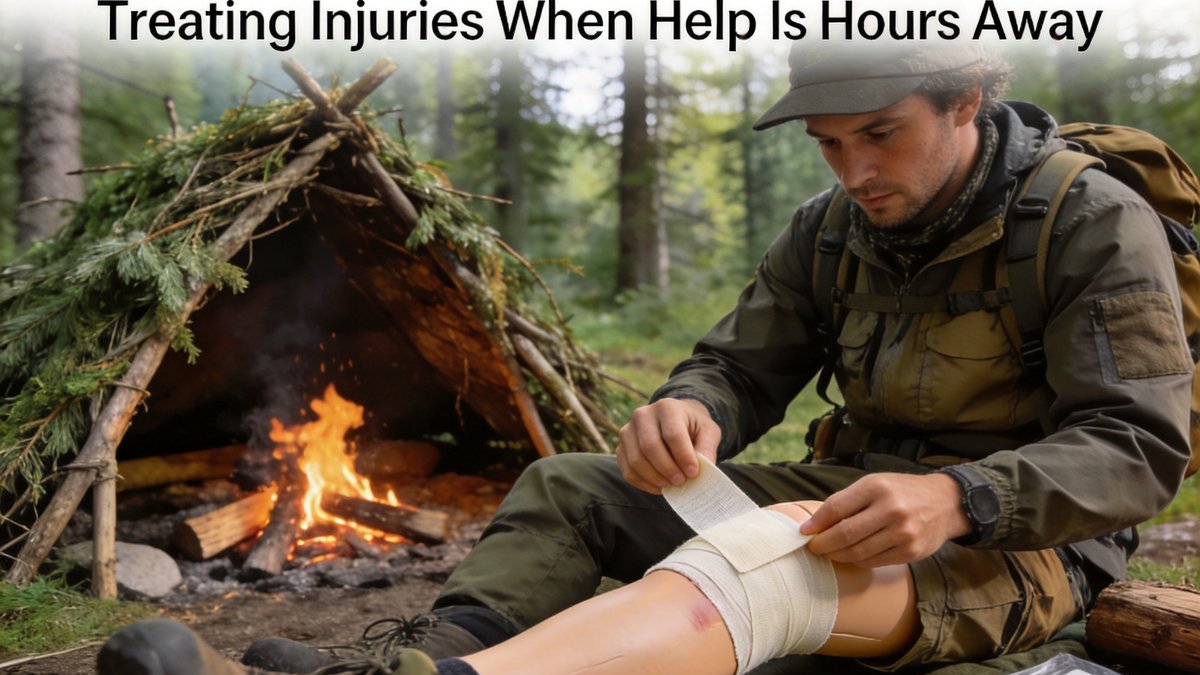
In the backcountry, you are your own first responder. Wilderness first aid differs from urban first aid because evacuation is rarely immediate and resources are limited. These skills help you stabilize injuries and make informed decisions about evacuation.
Key Takeaways
- Scene safety comes first. Assess the situation before approaching an injured person to avoid becoming a victim yourself.
- The primary assessment checks ABCs: Airway, Breathing, Circulation. Address life threats before treating minor injuries.
- Carry a comprehensive first aid kit and know how to use every item in it.
- When in doubt, evacuate. Infections develop quickly in the backcountry.
Primary Assessment and Emergency Response
Stop and assess scene safety before approaching. Tap and shout to check responsiveness. If unresponsive, check breathing and pulse. Control severe bleeding with direct pressure, pressure bandages, or tourniquets. Take spinal precautions if mechanism suggests spinal injury. Keep the person still and stabilize the head and neck. Conduct a head-to-toe secondary assessment once life threats are addressed.
Wound Care and Infection Prevention
Clean wounds thoroughly with clean water. Remove visible debris and irrigate under pressure. Apply antibiotic ointment and cover with sterile dressing. Change dressings daily. Monitor for infection signs: redness, swelling, warmth, pus, or red streaks. Infected wounds require evacuation. Deep wounds may need butterfly bandages. Confirm tetanus vaccination is current before any trip.
Fractures, Sprains, and Immobilization
Immobilize fractures using splints from sticks or trekking poles. Pad splints for comfort. Secure with bandages or duct tape. Check circulation below the splint every 15 minutes. For sprains, follow RICE: Rest, Ice, Compression, Elevation. If the person cannot bear weight, evacuate. For open fractures, cover with sterile dressing without attempting to realign bone.
Environmental Emergencies
Hypothermia: remove wet clothing, insulate from ground, provide warm drinks, apply external heat sources. Severe hypothermia requires gentle handling to prevent cardiac arrest. Heat exhaustion: move to shade, remove excess clothing, cool with water, hydrate. Heat stroke: hot red skin, altered consciousness, body temperature above 104 degrees. This is life-threatening requiring aggressive cooling and immediate evacuation.
In wilderness medicine, the goal is to stabilize the patient and make good evacuation decisions. A wound manageable at 10 AM may be infected by 10 PM. Evacuate early when in doubt.
The most important first aid tool is your judgment. A comprehensive kit in the hands of someone who does not know how to use it is just extra weight. Take a WFA or WFR course before remote trips.
Building a Custom Wilderness First Aid Kit
A well-designed first aid kit matches your trip length, group size, and environment. For a solo day hike, a minimal kit includes blister treatment, antiseptic wipes, a few adhesive bandages, ibuprofen, and antihistamines packed in a waterproof bag. For multi-day group trips, expand to include multiple sizes of sterile gauze pads, rolled gauze, medical tape, butterfly bandages, triangle bandage, trauma shears, irrigation syringe, and disposable gloves. Add wound closure strips and a small tube of superglue for deeper cuts that would otherwise require evacuation.
A wilderness first aid kit should also include tools for common backcountry medical issues. Dental emergencies can end a trip quickly if unprepared. Include temporary dental filling material and oil of cloves for toothache relief. Add a tick removal tool, SAM splint for sprains and fractures, and a small container of petroleum jelly for various uses including chafing prevention. Prescription medications for your group, including epinephrine auto-injectors for known allergies, are critical. Check expiration dates before every trip and rotate medications as needed. Store the entire kit in a bright orange or red waterproof dry bag for quick visibility.
Altitude Illness Recognition and Response
Altitude illness affects hikers ascending above 8,000 feet too quickly. Acute Mountain Sickness (AMS) symptoms include headache, nausea, fatigue, and dizziness. Treatment is simple: stop ascending, rest, hydrate, and take ibuprofen for headache. If symptoms do not improve within 24 hours, descend. High Altitude Cerebral Edema (HACE) is life-threatening with symptoms including confusion, loss of coordination, and altered consciousness. High Altitude Pulmonary Edema (HAPE) causes shortness of breath at rest, persistent cough, and chest tightness. Both conditions require immediate descent of at least 1,000-2,000 feet.
Prevention is more effective than treatment. Ascend gradually, following the mountaineer's rule of not increasing sleeping elevation by more than 1,000 feet per day above 10,000 feet. Climb high, sleep low by ascending during the day and descending to a lower camp at night. Stay well hydrated and avoid alcohol and sedatives at altitude. Acetazolamide (Diamox) prescribed by a doctor reduces AMS risk and severity. Anyone with persistent symptoms despite rest and medication must descend. Do not leave a person with altitude illness alone. Neurological symptoms can progress rapidly, leading to unconsciousness and death within hours without intervention.
Snakebite and Venomous Bite Protocol
Snakebites in the backcountry are rare but require specific treatment protocols. Most North American venomous snakes are pit vipers including rattlesnakes, copperheads, and cottonmouths, with coral snakes found in the southern states. The majority of snakebites occur when people accidentally step on or provoke a snake. Treatment priorities are keeping the victim calm and still. Excitement and movement increase heart rate and speed venom circulation. Remove any jewelry or tight clothing near the bite site, as swelling will occur. Immobilize the bitten limb at or below heart level and evacuate the victim to medical care as quickly as possible.
Several outdated snakebite treatments are dangerous and should never be used. Cutting the wound and attempting to suck out venom causes additional tissue damage and infection risk without removing significant venom. Applying a tourniquet concentrates venom in one area and can cause limb loss. Applying ice or cold packs increases tissue damage. Electric shock therapy has no medical benefit and causes burns. The only effective treatment is antivenom administered in a hospital setting. Modern first aid protocol is simple: keep the victim calm, immobilize the bite area, and evacuate immediately. Do not attempt to catch or kill the snake for identification, as this leads to additional bites and wastes evacuation time.
Hypothermia Recognition and Treatment
Hypothermia is a life-threatening condition where the body loses heat faster than it can generate it. It develops in temperatures well above freezing, especially when combined with wind, wet clothing, or exhaustion. Early symptoms include uncontrollable shivering, cold and pale skin, loss of coordination, and mental confusion. The victim may not recognize their own condition due to impaired judgment. At this stage, immediate intervention prevents progression to severe hypothermia. Remove wet clothing, insulate the victim from the ground, provide warm drinks, and add dry insulating layers. Gentle shivering generates heat, so encourage the victim to stay awake and active if possible.
Severe hypothermia occurs when shivering stops and body temperature drops below 90 degrees. The victim may be unconscious, have a weak or absent pulse, and exhibit shallow breathing. Treatment for severe hypothermia is delicate. Handle the victim gently, as rough movement can trigger cardiac arrest in a severely hypothermic heart. Remove wet clothing and insulate thoroughly with dry layers, sleeping bags, and a vapor barrier. Apply heat sources carefully to the armpits, chest, and groin, avoiding direct contact with bare skin that can cause burns. Do not give alcohol or rub the victim's extremities. Evacuate immediately with the victim in a horizontal position. Rewarming should occur in a medical facility, as afterdrop from field rewarming can be fatal.
Frequently Asked Questions
What should I include in a wilderness first aid kit?
Bandages, gauze, tape, antiseptic wipes, antibiotic ointment, blister treatment, ibuprofen, antihistamines, tweezers, scissors, gloves, CPR mask, splint material, and emergency blanket.
How do I call for help without cell service?
A personal locator beacon or satellite messenger provides direct emergency communication with your GPS coordinates.
When should I evacuate vs staying put?
Evacuate for uncontrolled bleeding, breathing difficulty, chest pain, head injury, spinal suspicion, severe burns, or any injury preventing walking.
Can I use duct tape for wound care?
Duct tape works for emergency bandages but is not sterile. Use medical tape for primary wound care. Duct tape works well for securing splints.