Table of Contents
Master seasonal fishing patterns with this month-by-month guide. Learn what fish species are active each season and the best techniques for year-round success.
Jordan Myers
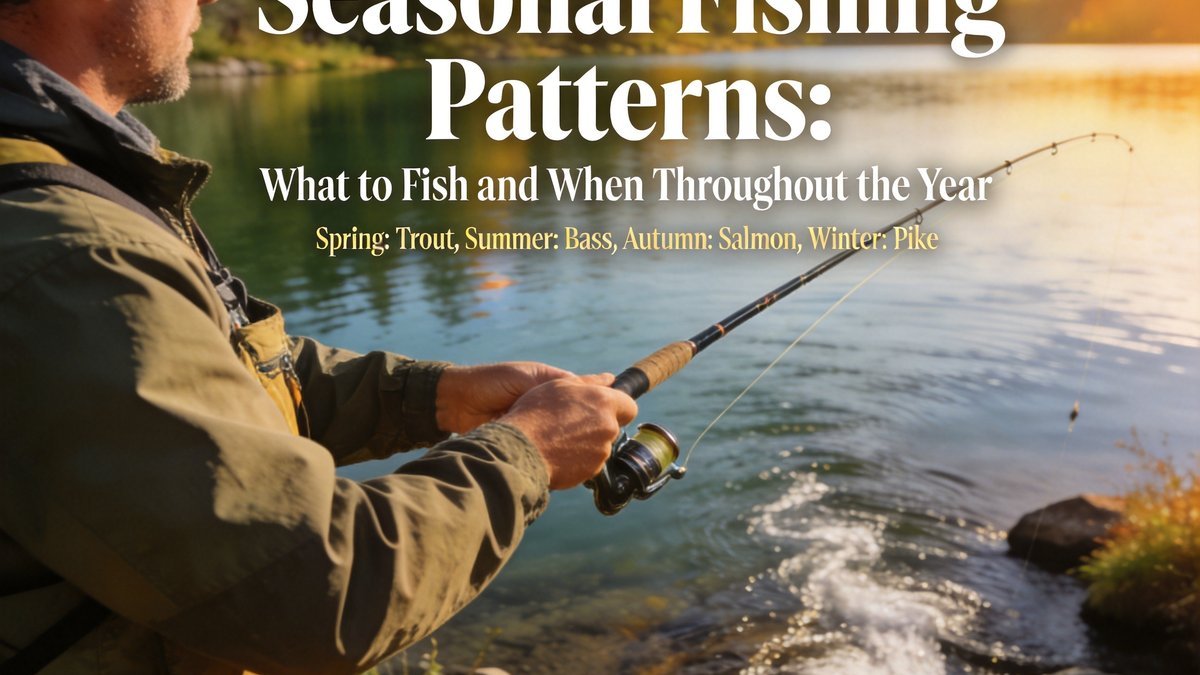
Master seasonal fishing patterns with this month-by-month guide. Learn what fish species are active each season and the best techniques for year-round success.
Fish behavior changes dramatically throughout the year as water temperature, daylight hours, and food availability shift. Understanding these seasonal patterns transforms your fishing from random casting into strategic targeting for consistent success.
Spring brings rising water temperatures and fish feeding aggressively to recover from winter. Early spring targets trout in rivers as insect hatches begin. Mid-spring triggers bass pre-spawn activity in shallow flats using reaction baits. Late spring brings panfish to shallow water for spawning. Walleye move into shallow reefs during evenings. Spring provides the best opportunity for trophy catfish.
Summer presents challenging conditions as water temperatures peak. Early morning from dawn to 9 AM provides the best fishing. Topwater lures excel during low light. During midday, focus on deeper water where temperatures stay cooler. Night fishing becomes productive for catfish and striped bass. Offshore species like tuna and mahi-mahi become available near shore.
Fall rivals spring as the best fishing season. Cooling water triggers aggressive feeding as fish prepare for winter. Early fall finds bass feeding on shad in creek arms. Mid-fall provides excellent walleye fishing. Late fall offers great trout fishing. Salmon runs peak in Great Lakes tributaries and Pacific Northwest rivers. Striped bass feed heavily along Atlantic beaches.
Winter requires different approaches. Fish metabolism slows but they still need to eat. Focus on deep water where temperatures are stable. Slow your presentation dramatically. Live bait often outperforms artificial lures. Ice fishing opens opportunities on frozen lakes for walleye, perch, crappie, and northern pike.
During spring and fall, fish are feeding machines. Moderate weather produces the best fishing because fish know extreme temperatures are coming and fuel up accordingly.
The best anglers do not fight the seasons. Summer heat means early mornings and deep water. Winter cold means slow presentations and deep structure. Adapt to what fish need.
Seasonal fishing patterns vary significantly by region. In the Northeast, spring trout fishing peaks in April and May as waters warm into the optimal 50-65 degree range. Summer brings warm-water species like smallmouth bass and pickerel. Fall offers excellent salmon fishing in Great Lakes tributaries from September through November. In the Southeast, bass fishing is productive year-round with a peak in April and May during the spawn. Striped bass run along the Atlantic coast from October through December. Winter fishing in southern states targets crappie and catfish in deeper reservoirs.
The Midwest offers exceptional walleye fishing in spring (April-May) on shallow reefs and gravel bars. Summer walleye move deeper, requiring bottom bouncers and slip sinker rigs. Fall brings trophy musky fishing as the water cools. In the West, trout streams fish best in spring and fall when water temperatures stay in the optimal zone. Summer requires early morning or high-altitude fishing to avoid warm water. Pacific salmon runs from August through October draw anglers to coastal rivers. The Southwest offers year-round bass fishing with a peak in spring and fall, while winter provides the best trophy largemouth fishing on deep structure.
Fishing pressure affects how fish behave throughout the season. Heavily fished waters see fish become more cautious as the season progresses. Early spring fish are often aggressive and less selective. By late summer, pressured fish require lighter line, smaller presentations, and more natural bait placement. Fish in popular public waters see dozens of lures daily, making them far more wary than fish in remote or lightly fished locations. Vary your approach throughout the season, starting with larger, more visible presentations in spring and switching to finesse techniques as summer progresses.
Time of day also interacts with seasonal patterns. In early spring, fish feed throughout daylight hours as water temperatures are cool but comfortable. Summer heat pushes feeding activity to dawn and dusk, with fish becoming inactive during bright midday. Fall sees renewed daytime activity as water cools. Winter fishing in cold climates is most productive during the warmest part of the day, typically late afternoon, when water temperatures peak by a degree or two. Adjusting your fishing schedule to these seasonal daily patterns dramatically improves success rates regardless of location.
Moon phases affect fish feeding behavior through light levels and tidal movements. During the full moon, increased nighttime light allows fish to feed actively after dark, often making them less aggressive during daylight hours. New moon periods offer darker nights that push daytime feeding activity. The three days before and after both new and full moons typically produce the best fishing windows. The solunar theory, developed by John Alden Knight in the 1930s, predicts daily feeding periods based on moon position and remains a useful planning tool for serious anglers.
Tidal movements create predictable feeding opportunities in coastal waters. Incoming tides push baitfish into estuaries and marshes, attracting larger predator fish. The two hours before and after both high and low tide offer prime fishing in most coastal locations. Slack tide periods, when water movement is minimal, produce slower fishing. Learn to read tide charts for your specific fishing location, as tide timing varies significantly along the same coastline. Inland, moon phase effects are less pronounced but still influence spawning patterns for species like bass and crappie.
Weather fronts dramatically affect fish behavior and feeding patterns. Before a cold front arrives, falling barometric pressure triggers aggressive feeding as fish sense the approaching weather change. This pre-front period offers some of the best fishing of the year, with fish actively feeding in shallow water. Immediately after a cold front passes, high pressure settles in with clear skies and bright sun. Fish become lethargic and move to deeper water or heavy cover. Post-front conditions require downsizing presentations, using lighter line, and fishing slower with more natural bait presentations.
Warm fronts bring rising temperatures that stimulate fish activity in spring and fall. During summer, extended periods of stable weather produce consistent but predictable fishing patterns. Fish establish routines around specific structures and feeding times. The most difficult fishing conditions occur during rapidly changing weather when fish cannot establish a consistent feeding pattern. Late summer afternoon thunderstorms in the Southeast create temporary cooling and oxygen infusion that triggers short but intense feeding windows. Experienced anglers watch weather patterns and plan trips around these transitional periods for the best results.
April through June and September through October consistently produce the largest bass during pre-spawn and fall feeding periods.
Change depth, location, and presentation systematically. Use electronics to confirm fish presence and adjust accordingly.
Yes. Ice fishing provides winter access. Tailwaters below dams produce year-round trout fishing.
Many believe full and new moons produce the best fishing. Regardless, fishing during dawn and dusk produces more consistent results.
Learning to read the water is one of the most valuable skills an angler can develop. Fish hold in areas where they can access food with minimal energy expenditure. Look for eddies behind rocks, current seams where fast and slow water meet, and deep pools where fish rest during bright daylight hours. In rivers, the most productive spots are often where smaller tributaries join the main channel, bringing fresh food and oxygenated water.
Successful anglers pay close attention to what fish are naturally eating. Before choosing your bait or lure, spend a few minutes observing the water. Look for insects flying near the surface, check under rocks for nymphs, and note what local baitfish look like. Matching your presentation to the natural food source dramatically increases your catch rate. In saltwater, pay attention to bird activity, which often indicates baitfish schools below.
Practicing ethical angling ensures fish populations remain healthy for future generations. Use barbless hooks or pinch down barbs for easier release with less damage to the fish. Wet your hands before handling fish to protect their slime coat. Minimize air exposure by keeping fish in the water while removing hooks. If you plan to release your catch, avoid using treble hooks and stop fishing when fish show signs of stress in warm water conditions.
Learning to read the water is one of the most valuable skills an angler can develop. Fish hold in areas where they can access food with minimal energy expenditure. Look for eddies behind rocks, current seams where fast and slow water meet, and deep pools where fish rest during bright daylight hours. In rivers, the most productive spots are often where smaller tributaries join the main channel, bringing fresh food and oxygenated water.