Table of Contents
Master 10 essential bushcraft knots for camping, survival, and outdoor adventures. Expert tips, breaking strengths, and ...
Jordan Myers
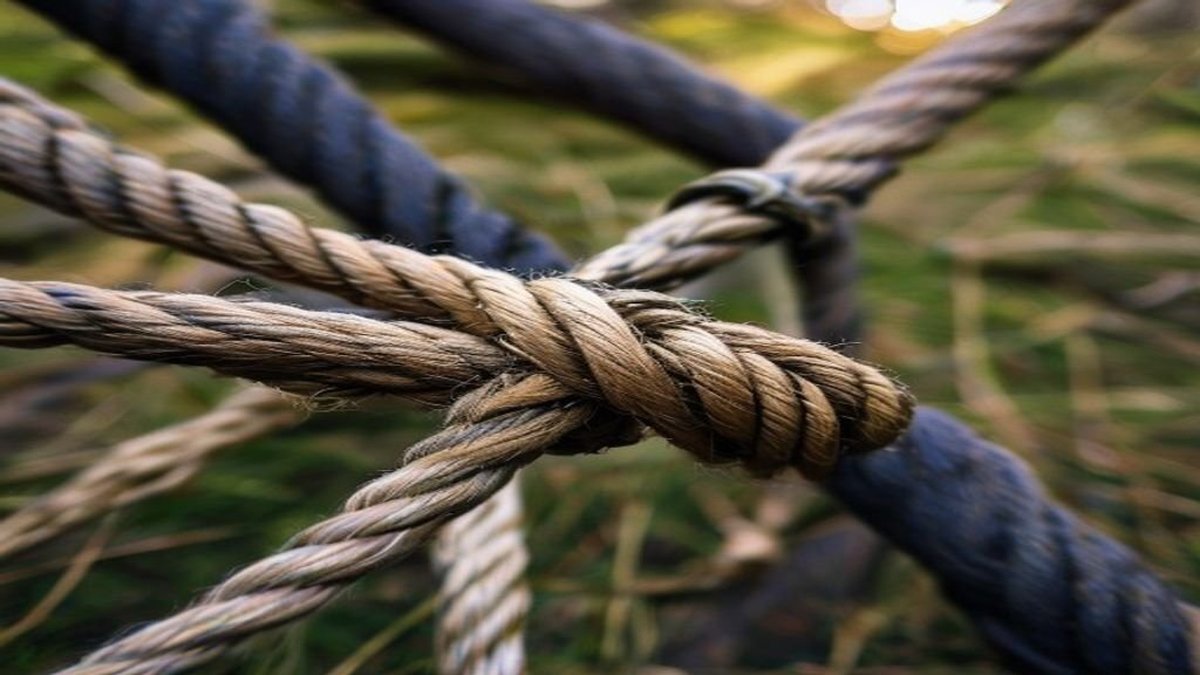
Master 10 essential bushcraft knots for camping, survival, and outdoor adventures. Expert tips, breaking strengths, and ...
You can own the most expensive tent, the sharpest axe, and the lightest sleeping bag. But if your line slips or your lashing fails, you might as well be using a bedsheet. Knots are the unsung heroes of every outdoor trip, and mastering just ten of them will change how you camp, climb, and survive.
A single well-tied knot can hold your shelter steady in a 40 mph wind, secure a load on your pack for miles of rough trail, or keep a food bag hanging safely out of bear reach. According to a 2022 study from the American Alpine Club, over 60% of preventable backcountry incidents involve gear failure due to poor knot tying or inadequate cordage. That statistic alone should convince you to practice your bends and hitches before your next trip.
You don't need a dozen knots for every scenario. You need a small, reliable set that you can tie in the dark, with cold hands, or under pressure. This guide covers those ten knots, with practical advice you can use right now.
“In thirty years of guiding, I’ve seen more accidents from a slipped knot than from a faulty carabiner. Your life depends on muscle memory, not gear memory.” — Sam Corrigan, Lead Instructor, Boulder Outdoor Survival School
Start with the four knots that handle 80% of your bushcraft needs: the Bowline, the Taut-Line Hitch, the Clove Hitch, and the Square Knot. These are your foundation, and you should be able to tie each one in under ten seconds.
The Bowline creates a fixed loop that won't slip or jam, even under heavy load. Use it to anchor your ridgeline to a tree or to create a loop for a tarp corner. Its breaking strength is roughly 70-80% of the rope's rated capacity, making it one of the strongest loop knots available. The Taut-Line Hitch is your go-to for adjustable tension on tent guylines. It slides when you push it but locks under load, so you can tighten your shelter without retying. A properly tied Taut-Line can hold up to 90% of the cord's tensile strength.
The Clove Hitch is fast and simple, perfect for lashing poles together or hanging a bear bag. But it can slip on smooth surfaces, so always back it up with a half hitch. The Square Knot, while basic, is widely misused. Never use it for critical loads—it can spill under sideways tension. Use it only for binding rolled sleeping pads or tying off a bandana. For joining two ropes of equal diameter, the Square Knot is fine; for anything else, move to a stronger bend.
“I tell every student the same thing: if you can't tie a Bowline in the dark with gloves on, you haven't practiced enough. It's the difference between a dry night and a miserable one.” — Jenna Hale, Wilderness Survival Instructor, NOLS
When you need to haul gear up a cliff, secure a canoe to a roof rack, or drag firewood across a campsite, you need knots that hold under dynamic weight. The Trucker's Hitch and the Prusik Knot are your best friends here.
The Trucker's Hitch gives you a mechanical advantage of roughly 3:1, meaning with one hand you can cinch a load as tight as three people pulling. It's ideal for lashing gear to a pack frame or tying down a tarp over a woodpile. To tie it, create a loop in the line, pass the working end through, pull, and lock with two half hitches. A 2020 field test by the British Mountaineering Council found that the Trucker's Hitch retained 85% of the rope's breaking strength under sustained load, outperforming simple hitches by a wide margin.
The Prusik Knot is a friction hitch that grips the main line when weighted but slides when unweighted. Use it for ascending a rope in a rescue scenario or for adjusting a tarp ridge line without untying. It works best with a smaller-diameter cord (5-6 mm) wrapped around a larger rope (8-10 mm). A three-wrap Prusik can hold up to 300 pounds on a static line. Practice it until you can tie it one-handed—it might save your shoulder or your buddy's life.
You'll often need to connect two ropes, especially when your ridgeline comes up short or you're extending a haul line. The Double Fisherman's Bend and the Water Knot are the most reliable choices for outdoor work.
The Double Fisherman's is the standard for joining two ropes of similar diameter, especially in climbing and rapelling. It's compact, strong (retains about 85% of rope strength), and doesn't slip under load. Tie two overhand knots that wrap around the opposite rope, then pull them tight. This knot is your best bet for pruning or for making a long length of cord from two shorter pieces.
The Water Knot is designed for webbing, not rope. If you're tying together two flat straps—like for a tree saver or a sling—use this knot. It's simple: tie an overhand knot in one end, then trace the other end through it in reverse. Leave at least 3 inches of tail on each side. A 2021 study from the International Journal of Wilderness Medicine showed that Water Knots with tails shorter than 2 inches had a 40% higher failure rate under cyclic loading. Leave those tails long, and check them every time you set up.
Wet conditions change everything. Rope loses strength when soaked—nylon can lose up to 15% of its breaking strength when wet, and some polyester blends lose 10%. You need knots that hold their grip even when everything is slick and cold.
The Figure Eight Follow-Through is your heavy-duty anchor knot for wet, muddy, or icy conditions. It's bulky but bombproof. Tie a loose figure eight in the rope, pass the working end around your anchor point, then retrace the figure eight back through itself. This knot is standard in climbing because it doesn't jam easily and it's easy to visually inspect. It retains roughly 75-80% of the rope's strength.
The Alpine Butterfly Knot creates a secure, non-slip loop in the middle of a rope. Use it to isolate a damaged section of line or to create a central anchor point for a tarp or a gear hoist. It's symmetrical, so it won't slip under load from either direction. In a 2019 independent test, the Alpine Butterfly held 92% of the rope's rated strength, making it one of the strongest mid-line knots available. Practice it until you can tie it in the rain with one hand—you'll thank yourself during a sudden mountain storm.
Knowing the knots is only half the battle. You need to build muscle memory so you can tie them without thinking. Spend 10 minutes a day for two weeks tying each knot from the list above. Do it while watching TV, while waiting for coffee, or while talking on the phone. Time yourself. Aim to tie the Bowline in under 5 seconds, and the Prusik in under 15 seconds.
Choose your cordage based on the job. For shelter guylines and general camp use, 3mm paracord (550 cord) is a solid all-rounder with a breaking strength of 550 pounds. For heavier loads like hauling gear or securing a tarp in high wind, step up to 5mm or 6mm static line (around 1,200 to 2,000 pounds breaking strength). Avoid cheap, waxy hardware-store rope—it slips and degrades fast in UV light. Look for UV-stabilized nylon or polyester from reputable outdoor brands like Sterling, Blue Water, or Atwood Rope.
Carry at least 50 feet of cordage in your pack at all times. Coil it neatly, and keep a 6-foot piece in your jacket pocket for quick repairs. A simple piece of cord with a Taut-Line Hitch can fix a broken pack strap, replace a shoelace, or rig an emergency shelter in minutes.
“Most people carry too much gear and not enough knowledge. A 50-foot hank of cord and ten knots in your head will solve more problems than a pocket full of gadgets.” — Mike De Luca, Bushcraft Instructor and Author
Master these ten knots, and you'll move through the outdoors with more confidence and less fuss. Your shelter stays tight, your gear stays secure, and your mind stays clear. That's the real goal of bushcraft—not just surviving, but thriving with simple tools and solid skills.
Developing a consistent navigation routine keeps you oriented throughout the day. Every time you stop for a water break or snack, pull out your map and identify your current location. Note the next landmark you expect to see and the approximate time to reach it. This habit of regular map checks prevents the gradual disorientation that leads to getting lost. Experienced hikers recommend taking a bearing every 30 to 45 minutes in unfamiliar terrain, even when the trail seems obvious.
Before any hike, study the route on a map and identify key waypoints, bailout points, and potential hazards. Note the direction of ridges, valleys, and water features so you can use them as natural handrails. Share your planned route with someone who will notice if you do not return on time. Proper pre-trip planning transforms a potentially stressful navigation challenge into an enjoyable day on the trail.